
Blog.
Black Inventions Before Breakfast
A traffic light. A home security system. A refrigerated truck. These everyday conveniences exist because of Black inventors whose contributions have too often been erased from the historical record. The return of the Original Traveling Black Inventions Museum invites the Delta community to see innovation clearly—and truthfully.

A Work in Progress: Our Museum, Our History, Our Delta
Black heritage is constant. Black history is still unfolding. This reflection explores the museum as a work in progress—stewarding the Delta’s heritage while engaging the living work of history.

A Christmas Reflection and Looking Ahead
A reflection on the Blue Royale Christmas Gala, the community that sustains this museum, and the sense of optimism carrying us into a new year of education, family, and shared discovery.
Africa: Where Paint-making Began
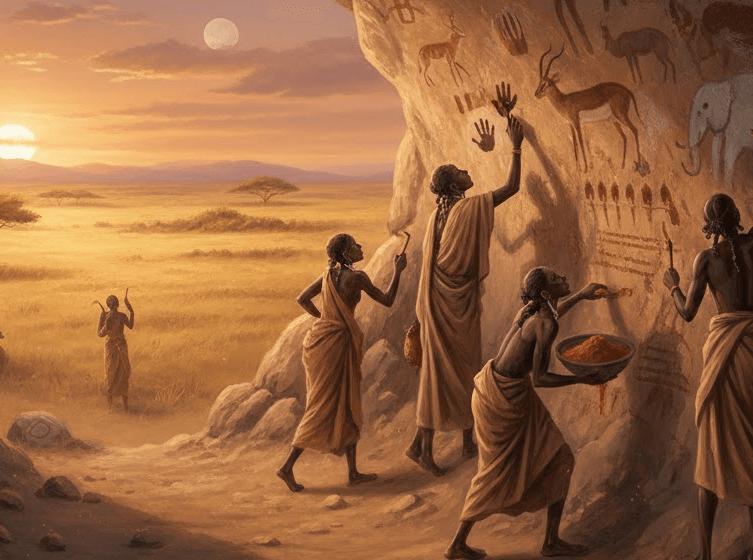
Long before paint illuminated European caves, the material knowledge required to create it was already established in Africa. This essay reframes art history by distinguishing between origin and preservation, tracing paint-making from early African innovation to its monumental survival in Europe—and its enduring legacy in the Delta.
Is Art School Worth It for Young Black Artists?
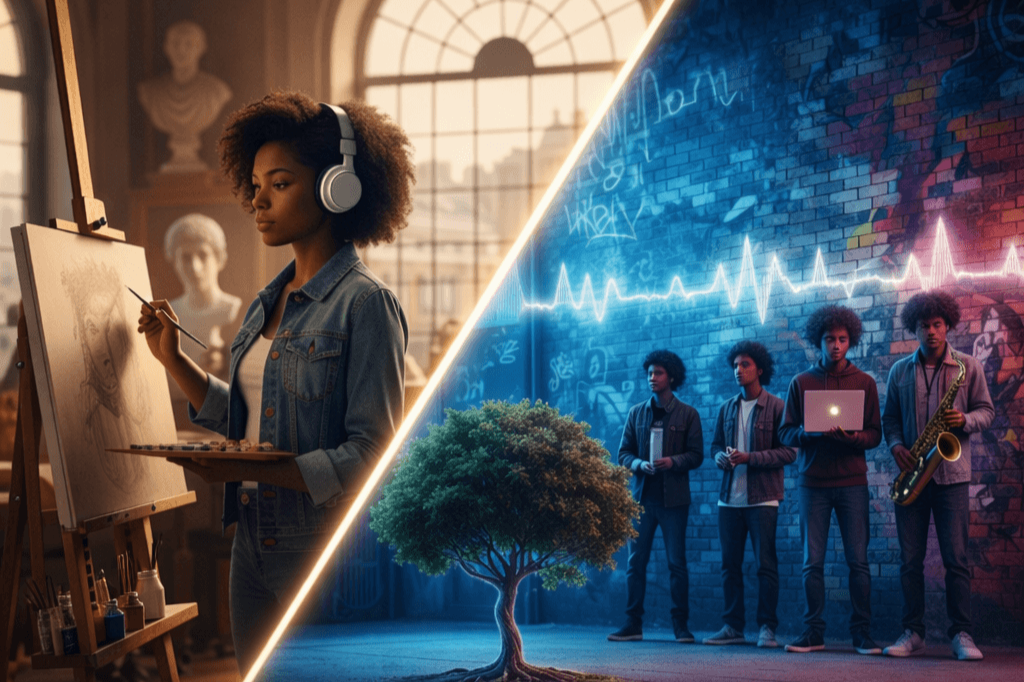
A thoughtful exploration of whether art school is the right path for young Black artists—examining history, access, cost, and alternative ways of learning that have long shaped Black creative life.
Artist Spotlight: Thelma Golden
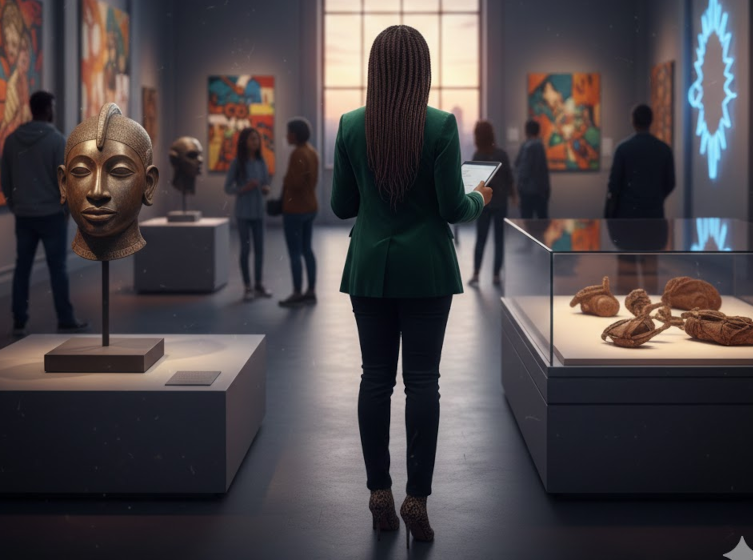
Thelma Golden has helped redefine how contemporary Black art is seen, supported, and understood. As Director and Chief Curator of The Studio Museum in Harlem, her curatorial vision has shaped institutions, launched movements, and expanded the role of museums in preserving and advancing Black cultural history.
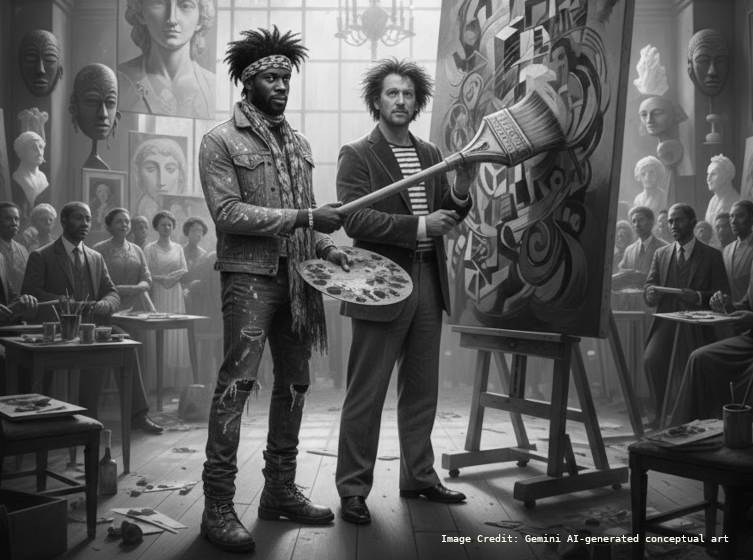
Interracial Collaborations That Changed Art History
A look at three groundbreaking collaborations between Black artists and non-Black artists—partnerships that expanded artistic possibility, reshaped modern art, and deepened cross-cultural dialogue.
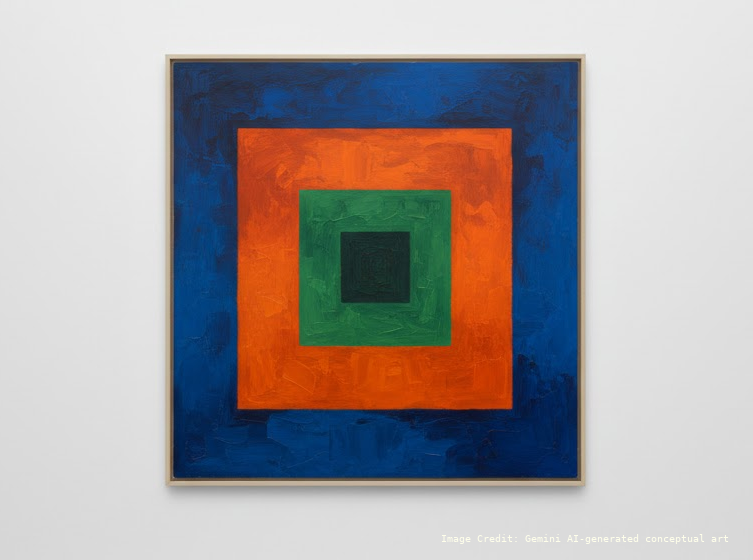
Who Was Josef Albers?
A short introduction to Josef Albers, his impact on modern art, and how his teaching intersected with artists important to African-American cultural history.
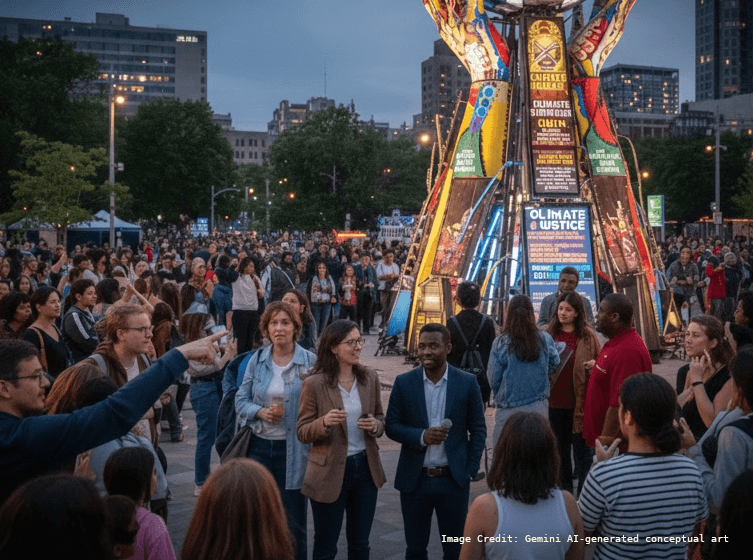
What Is Creative Time?
A clear explanation of Creative Time and why its public art projects matter, especially for audiences interested in history, culture, and Black contemporary expression.
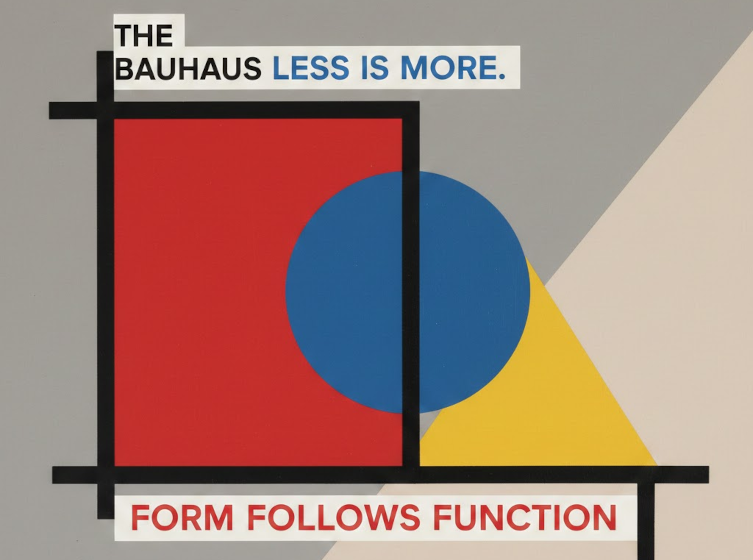
What Was the Bauhaus?
A brief introduction to the Bauhaus movement, its global significance, and how its ideas helped shape modern art and artists who influenced African-American creativity.
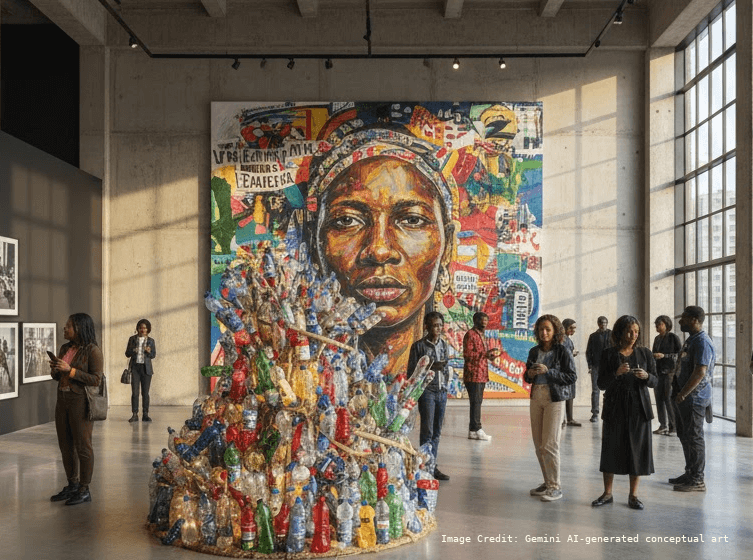
The Delta and the Cape: How Do They Connect?
To truly understand African-American creativity today, it helps to look at what is happening on the African continent itself. Zeitz MOCAA—the largest museum of contemporary African art—offers a powerful lens through which to see how global Black creativity continues to evolve. Its mission mirrors our own here in the Louisiana Delta, revealing deep connections across the African diaspora.
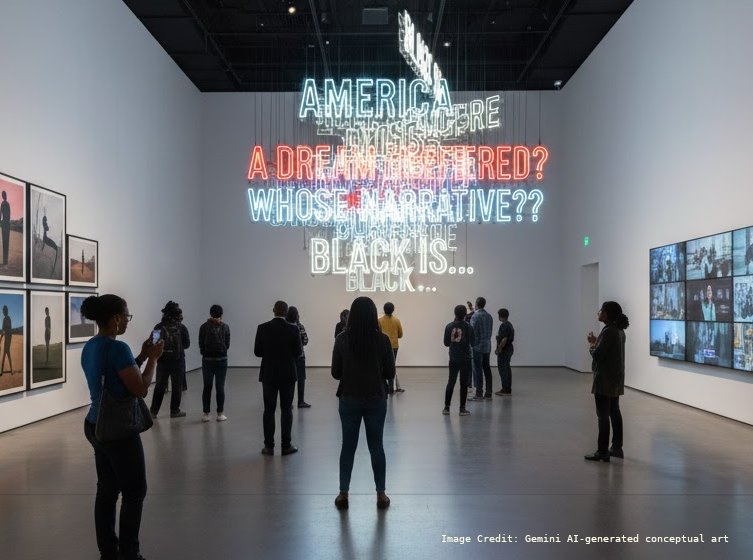
The Radical Vision of Black Conceptual Artists
Black conceptual artists of the 1960s and 70s redefined the possibilities of Conceptual Art, using language, performance, systems, and everyday materials to confront issues of identity, power, and institutional racism. Long overlooked by mainstream narratives, their work reveals a movement far more diverse, experimental, and politically charged than history has often acknowledged.
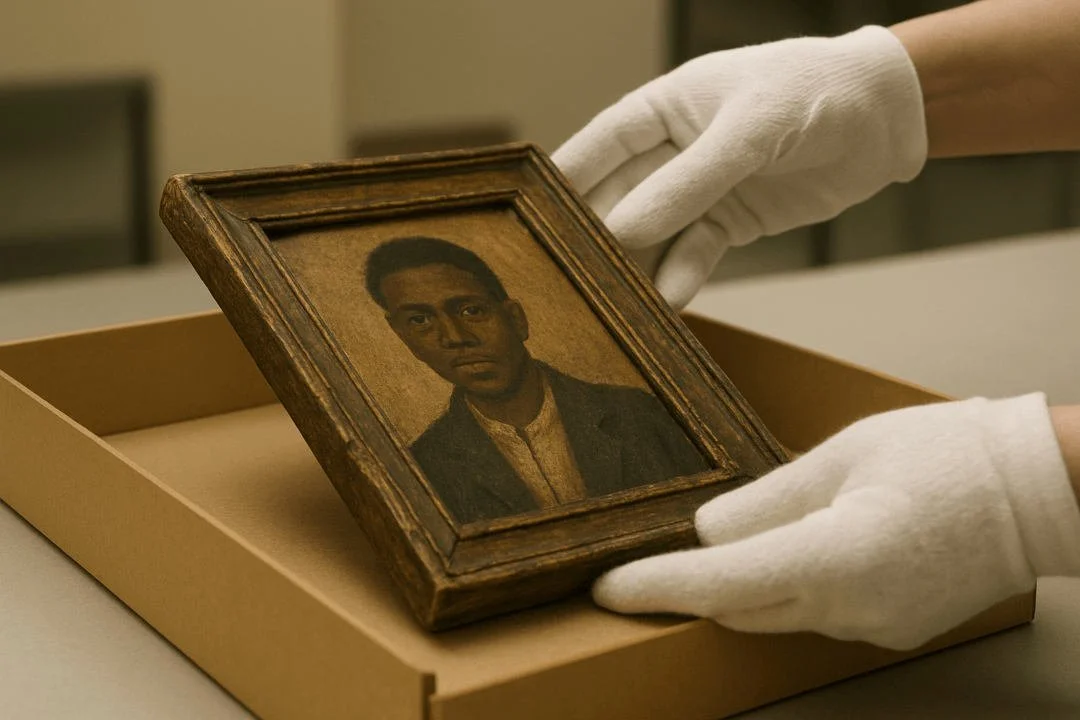
The Alchemy of Value: How Artists' Work Moves from the Margins to the Asset Class
How does a $10 thrift store find become a $110 million record-breaker? We decode the "alchemy" of the art market—from credibility signals to celebrity endorsements—and reveal how local museums act as the critical first step in turning marginalized voices into history’s most valuable assets.
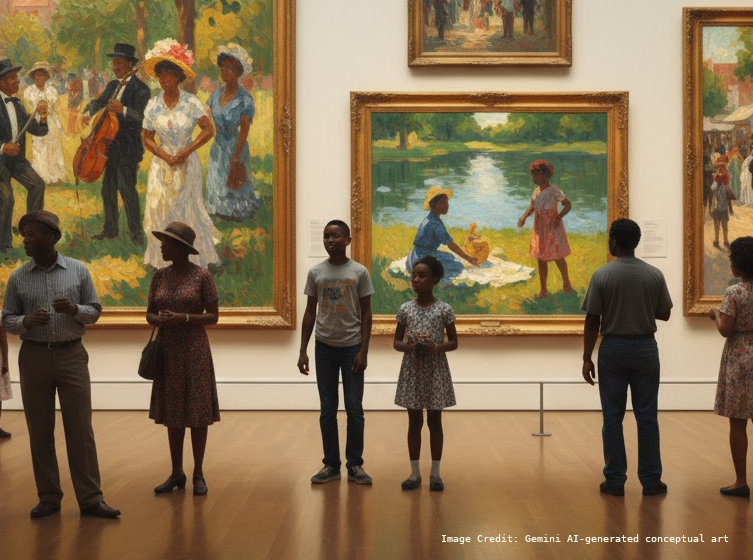
Part II: The Contemporary Inheritance of Black Impressionism
In Part II of the Black Impressionism series, discover how contemporary artists such as Lynette Yiadom-Boakye and Paul Verdell transform Impressionist strategies into new expressions of interiority, identity, and emotional light. Their work extends a historic tradition into a dynamic, modern vocabulary.
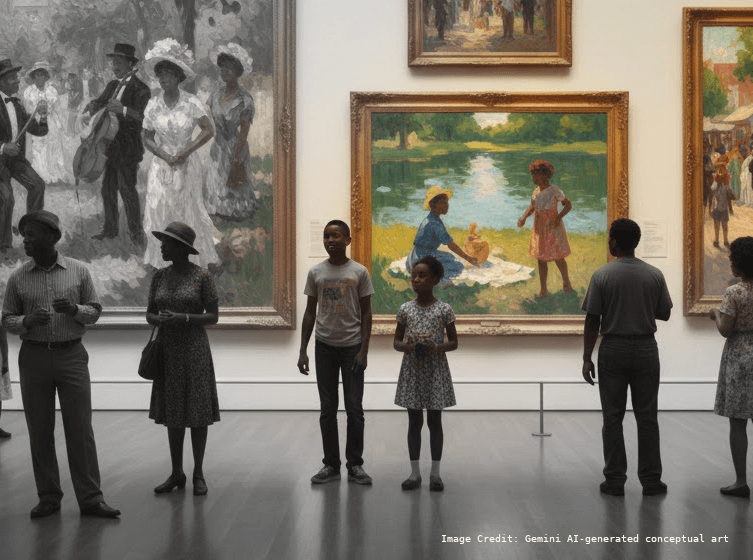
Part I: The Origins of Black Impressionism
Discover the untold story of Black artists who embraced Impressionism, from Henry Ossawa Tanner in Paris to Allan Randall Freelon, Sr. in the U.S., and learn how their vision transformed light, color, and artistic freedom into a legacy that continues today.
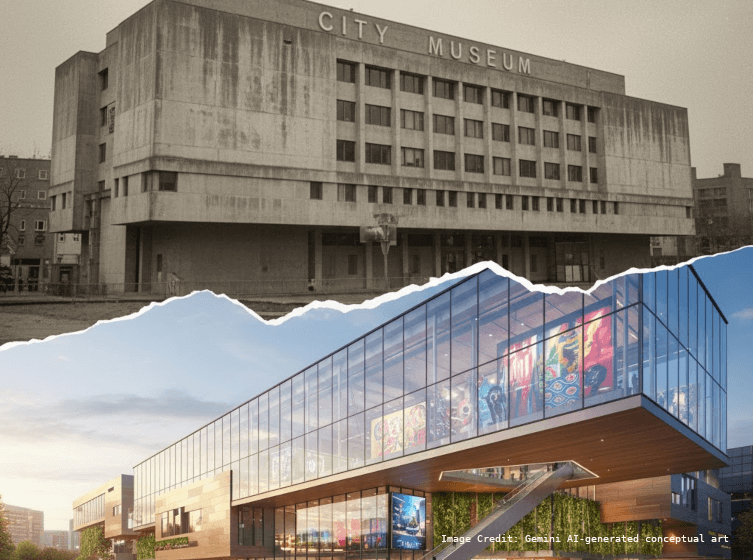
What’s New? Everything.
The Studio Museum in Harlem, founded in 1968, reopens on November 15, 2025, in a new seven-story, purpose-built home with expanded galleries, classrooms, and public spaces.

A Timeline of Art in Monroe, Louisiana
From ancient earthworks to modern galleries, Monroe’s art story spans millennia. Discover how Indigenous creators, African American artisans, and contemporary artists shaped the Delta’s enduring creative legacy.
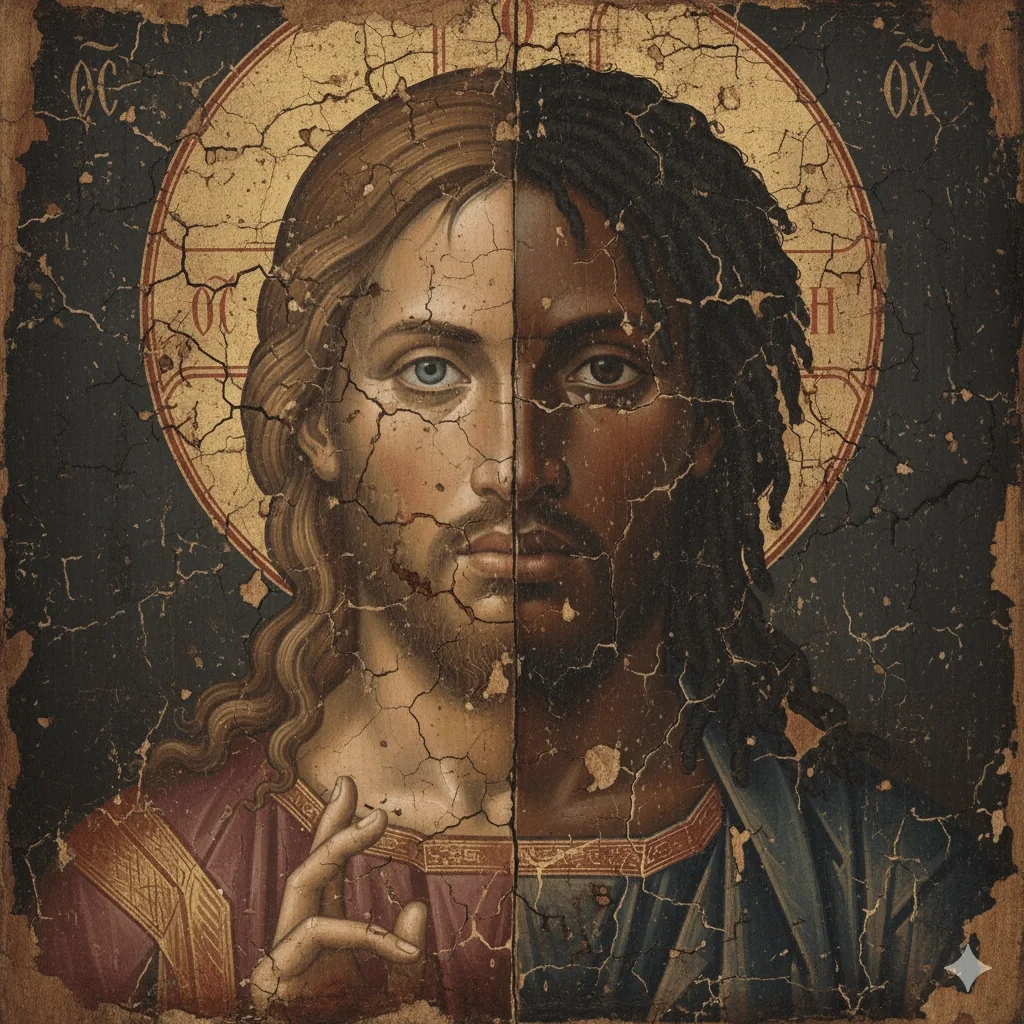
The Evolving Face of Jesus: From Symbol to Self
Conventional histories of Christian art often focus on European traditions, overlooking the rich visual cultures of Africa and the African diaspora. From early symbols like the Ichthys and Chi-Rho in Roman catacombs to Nubian frescoes, Ethiopian illuminated manuscripts, and the rock-hewn churches of Lalibela, African artists created their own sacred imagery. Enslaved Africans in the Americas encoded faith and hope into spirituals, while twentieth-century and contemporary African-American artists reclaimed Christ’s image in murals, prints, and statues. This ongoing dialogue across continents and centuries demonstrates that the face of Jesus is not fixed but reflects the cultures and experiences of those who depict him.
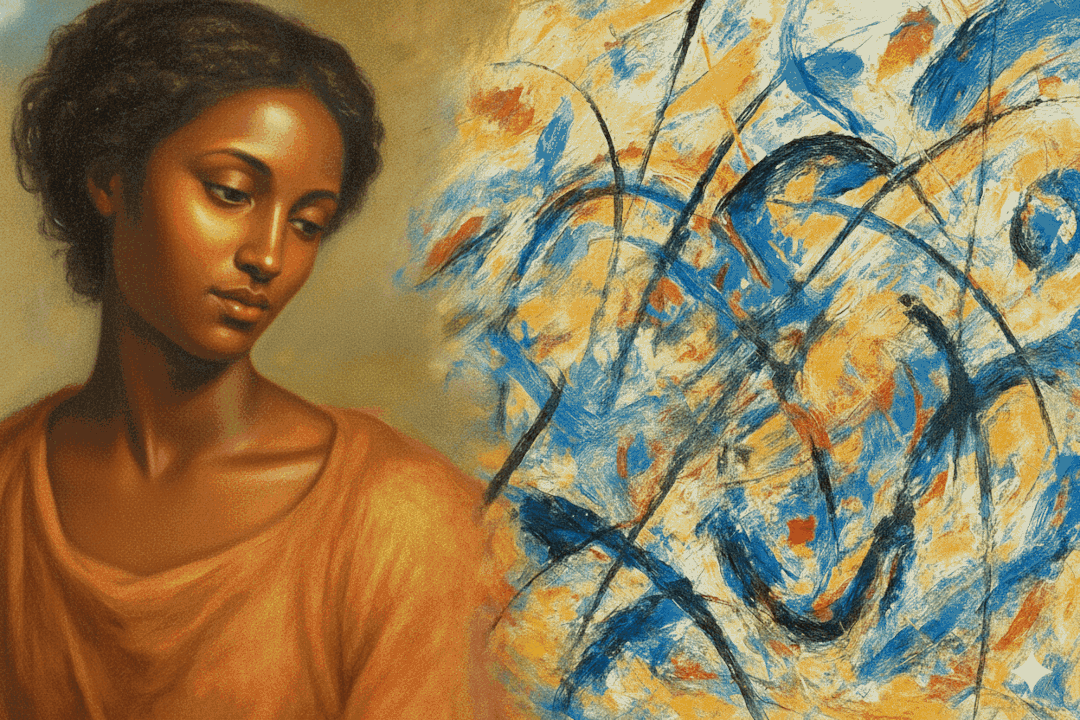
The Rebellion: From Classical Form to Abstract Expression
Every great art movement begins with rebellion. From the precision of Classical form to the emotional freedom of abstraction, artists have always pushed beyond the visible world. Discover how a local artist continues this “eternal rebellion” through vivid, soul-stirring paintings that connect global art history to Southern life.
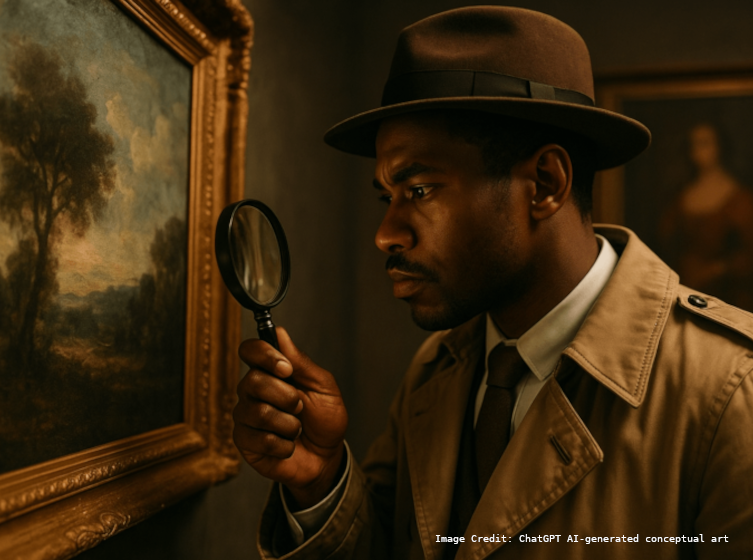
From Thrift Store Find to Masterpiece: The Art Detective's Quest
Hidden in thrift stores, attics, and auction houses, lost masterpieces sometimes wait centuries to be rediscovered. But confirming their authenticity requires more than luck—it demands the trained eye of an art detective. From brushstroke analysis to chemical testing, these modern-day sleuths blend art, science, and history to reveal the truth behind a canvas.