Monroe’s Huey P. Newton and Black History Month 2026
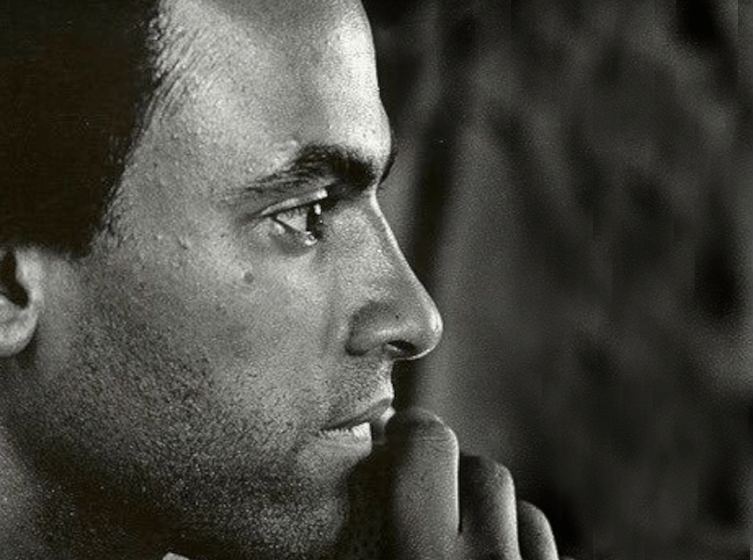
Huey P. Newton (1942–1989), Monroe, Louisiana native and co-founder of the Black Panther Party. Detail from a public domain image.
Today, we mark the final day of Black History Month. As the sun sets on February 28, 2026, we do so in a world that feels increasingly unsteady. We are surrounded by national and global unrest—a landscape of political division, humanitarian crises, and ongoing struggles for human dignity. It is in this context that we take our final moments of this month not to simply close a book, but to sound a clarion call: to be awake, to be aware, and to remember that Black history is not a relic locked behind glass—it is being created right now, in real time, by us.
To understand the moment we are in, we need look no further than our own soil. Here in Monroe, Louisiana, we claim a native son whose legacy speaks directly to the unrest of 2026: Huey P. Newton.
Born in Monroe in 1942, Newton moved to Oakland as a child, part of the broader Great Migration that reshaped American cities and identities. Yet the spirit of the Louisiana Delta—a place marked by deep injustice but equally deep resilience—traveled with him. In 1966, alongside Bobby Seale, he founded the Black Panther Party.
Newton did not organize primarily out of anger, but out of a fierce love for his community and an urgent desire to ensure its survival. He studied law books. He examined California statutes. He believed knowledge itself could be a tool of protection.
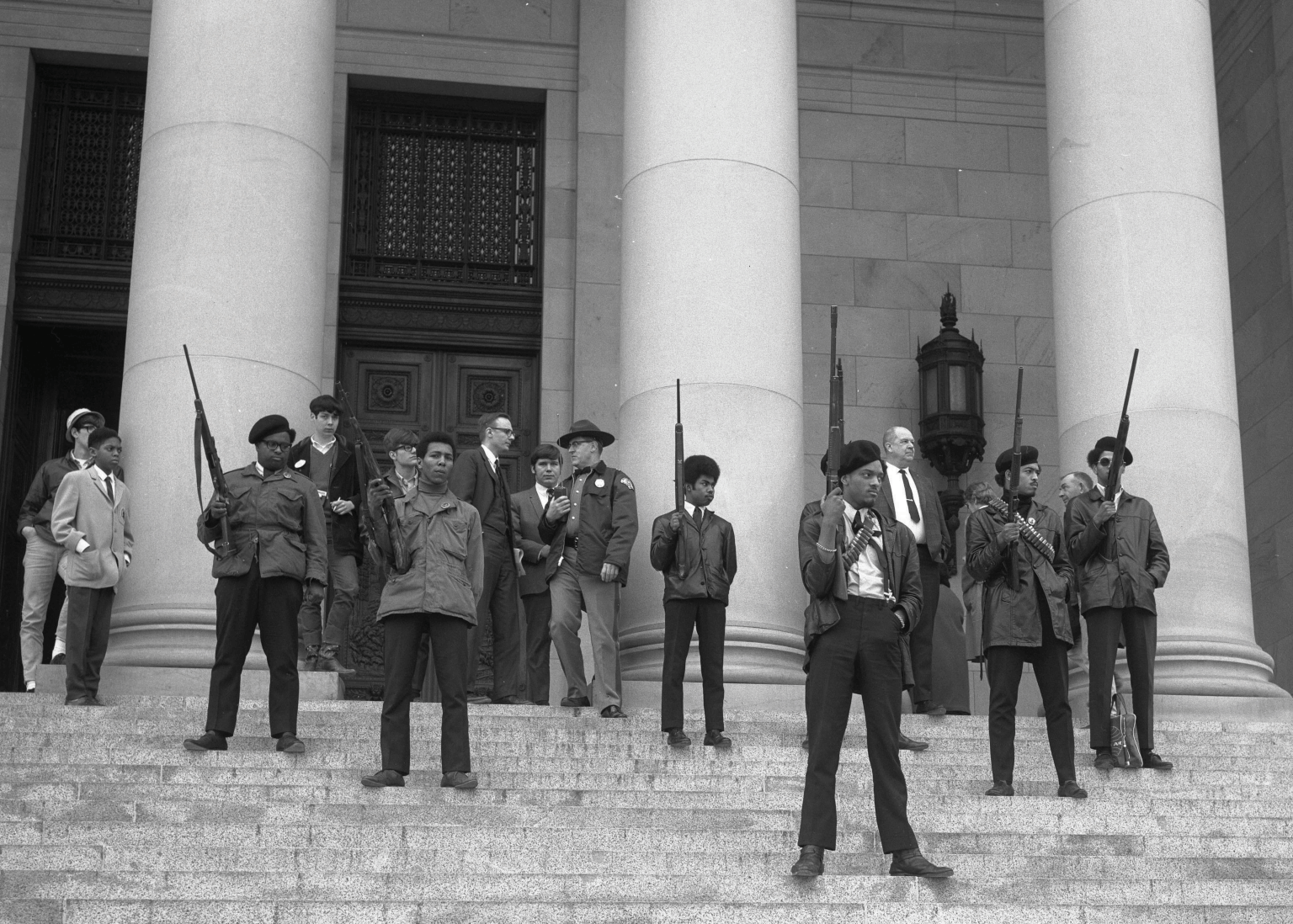
A demonstration by members of the Black Panther Party on the steps of the Washington State Capitol building in Olympia on February 28, 1969. Credit: Photo by CIR Online, originally published on Flickr (https://flickr.com/photos/43899883@N03/7803138934). Licensed under Creative Commons Attribution 2.0 (CC BY 2.0): https://creativecommons.org/licenses/by/2.0/.
At its core, the Black Panther Party was a response to systemic violence and neglect. Through its Ten-Point Program, it demanded freedom and the power for Black communities to determine their own destiny. It demanded full employment and an end to the robbery of their communities by exploitative systems. It demanded decent housing, truthful education, and justice in the courts. And yes, it is often remembered for its stance on armed self-defense—monitoring police to protect neighbors from brutality. But it is essential to remember that Newton paired organized community self-defense with a ten-point political platform rooted in survival and dignity.
While the media often fixated on confrontation, the Party launched dozens of community survival programs across the country designed to lift their people up.
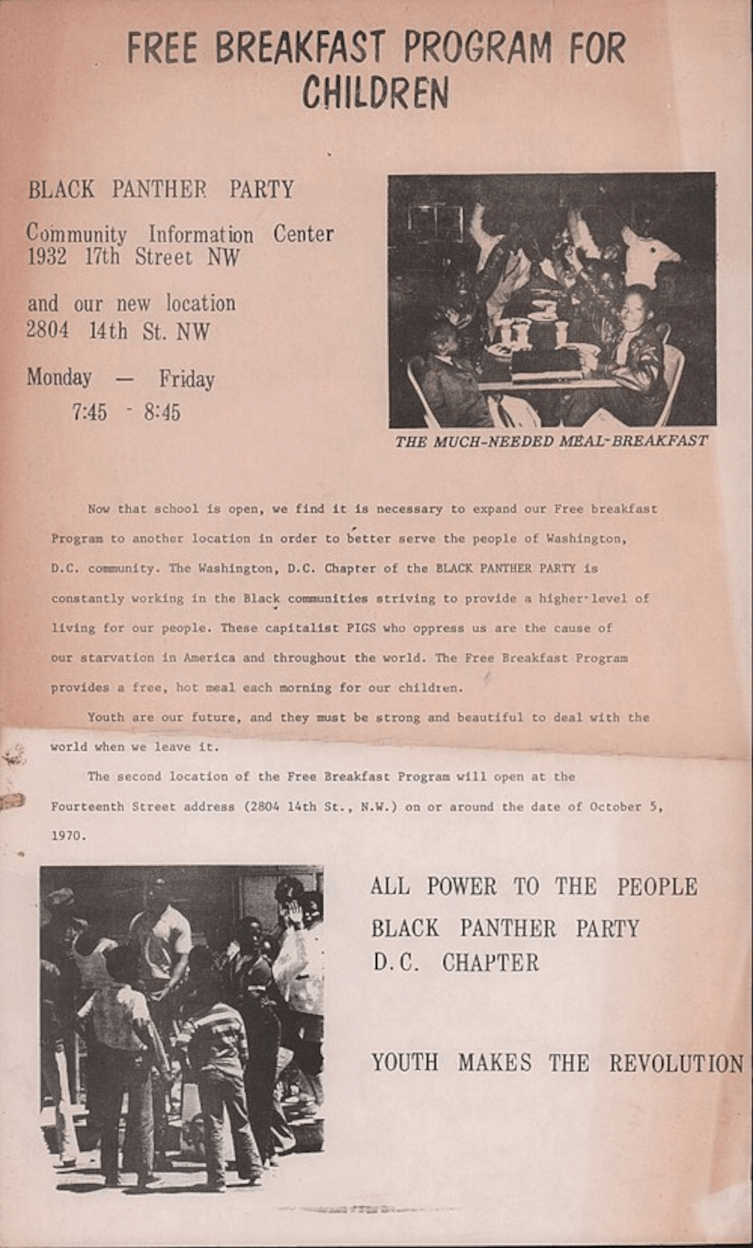
Members of the Black Panther Party served children through the Free Breakfast Program, launched in 1969. What began as a grassroots survival initiative fed thousands daily and helped push the federal government to expand school breakfast programs nationwide.
They understood that revolution is hollow if your people are hungry. That is why they created the Free Breakfast for Children Program, feeding thousands of children daily and eventually forcing the federal government to expand its own school breakfast initiatives. They opened free health clinics and brought national attention to sickle cell anemia at a time when mainstream medicine largely ignored Black bodies.
These were the demands they placed at the feet of the white establishment: quality education that taught Black children their true history and their role in society. Decent housing fit for human dignity. Legal aid for the incarcerated. An end to the murder of Black people—not through charity, but through organized community power.
At the Northeast Louisiana Delta African American Heritage Museum, we preserve these histories not as artifacts of a distant past, but as tools for understanding the present. History is not passive. It is participatory. The conditions the Panthers confronted—economic inequality, food insecurity, police violence, and the erasure of Black history—echo in many of the headlines we read today.
Their legacy is not a slogan. It is a blueprint. It tells us that awareness is not enough. To be informed is not enough. We must be awake to the fact that “Black History” is not only the history of slavery and civil rights marches; it is also the history of innovation, protection, intellectual rigor, and community care.
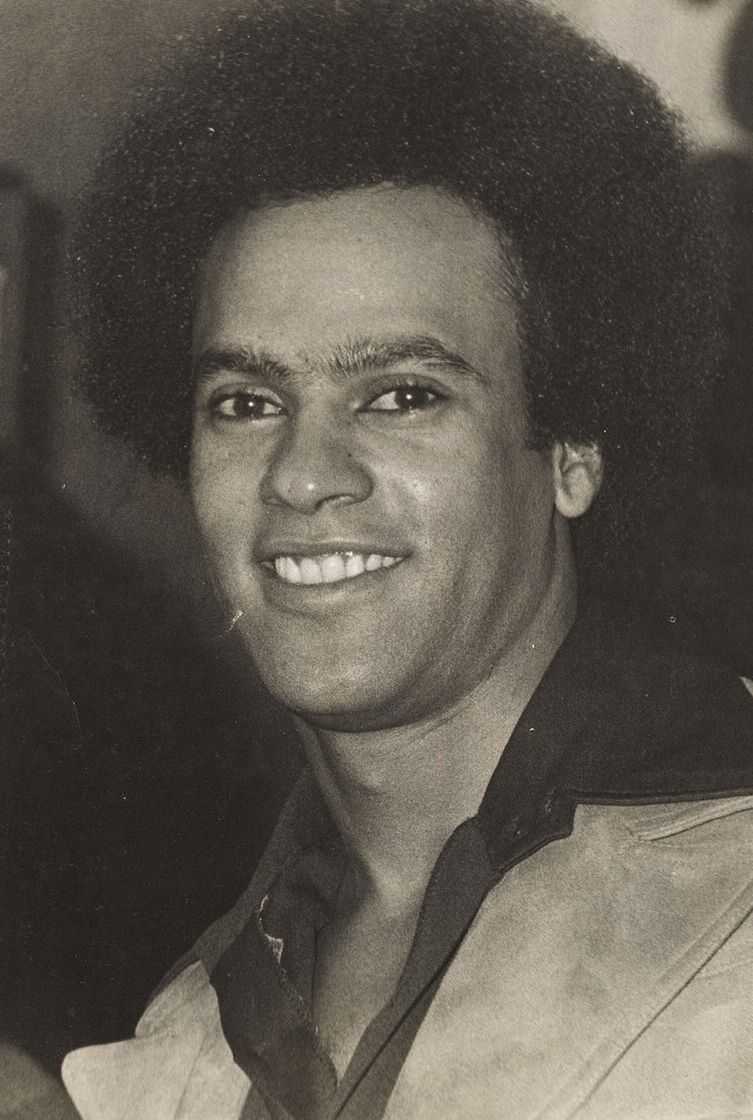
Huey P. Newton (1942–1989), Monroe native and co-founder of the Black Panther Party. Credit: Public domain (United States). Originally published without copyright notice.
As we say goodbye to Black History Month 2026, we honor our native son, Huey P. Newton. We remember that alongside armed self-defense stood a carefully articulated plan for political and economic transformation. We remember that survival itself was a form of resistance.
The unrest we see globally is a reminder that the work is not finished.
Be awake.
Be aware.
Black history is still being written.