Kinds of Blue. Miles Apart
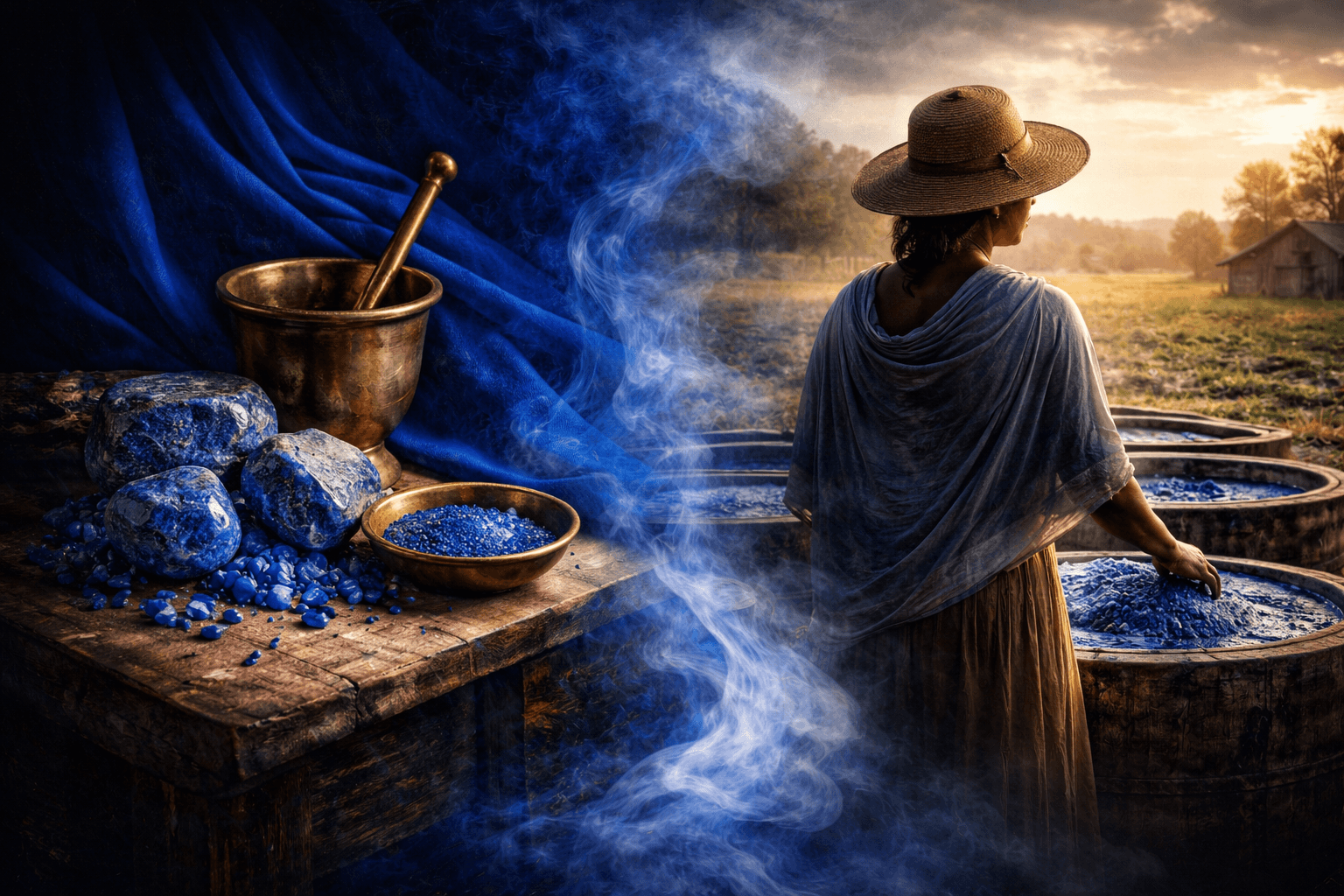
AI-generated image created for the Northeast Louisiana Delta African American Heritage Museum, 2026.
If an artist in the Renaissance wanted to paint the robes of the Virgin Mary or the depth of a night sky, they could not simply reach for a tube of blue. They had to reach for a stone—and not just any stone, but Lapis Lazuli.
This is the story of a color that traveled across continents, shaped by labor, knowledge, and access long before it ever reached a painter’s hand.
Stone, Labor, and Transformation
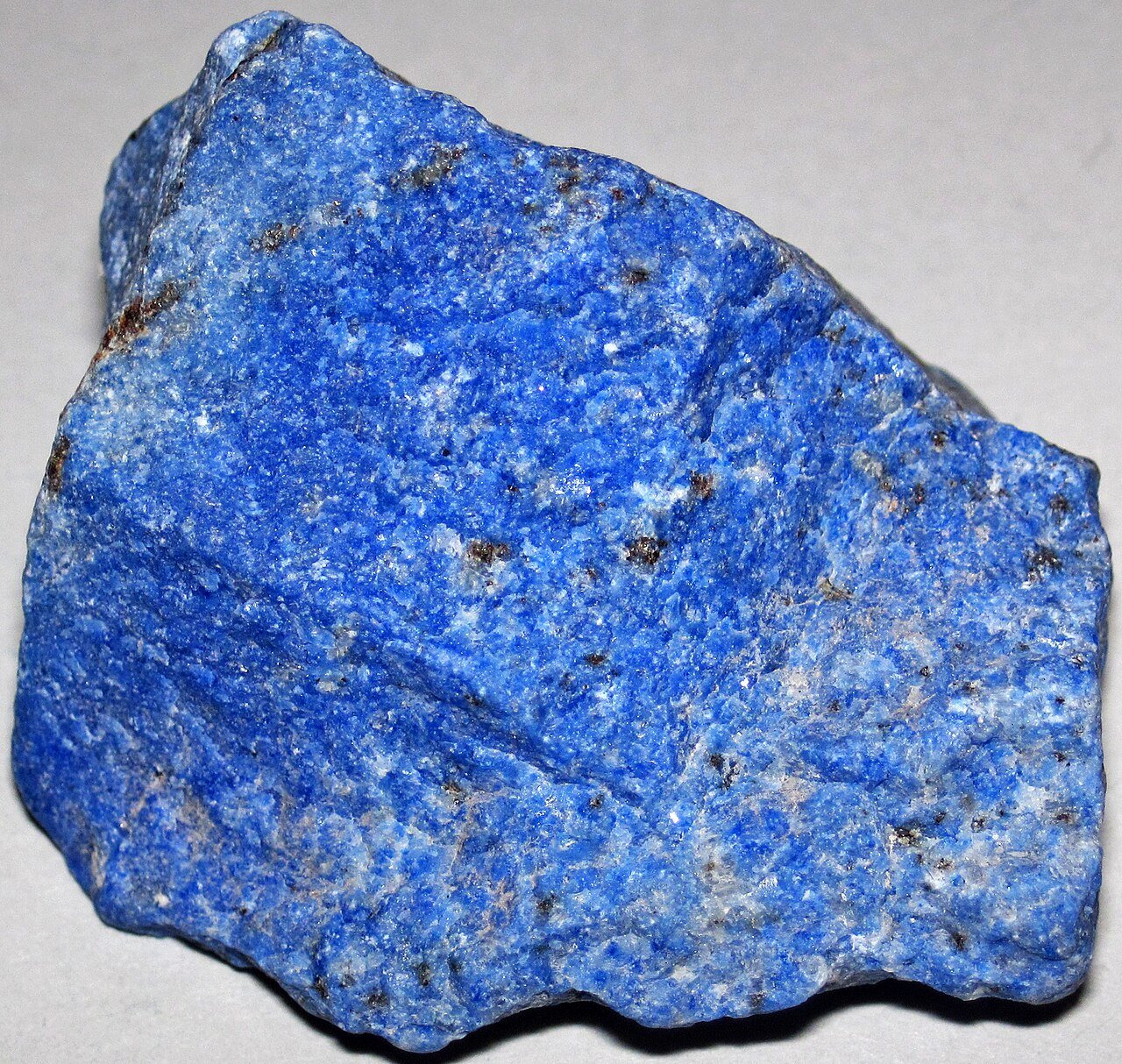
Lapis lazuli specimen from Afghanistan. Photograph by James St. John, 2025. Licensed under CC BY 2.0, via Wikimedia Commons.
Lapis Lazuli in its natural form is a deep, dusty blue rock marked by flecks of pyrite and veins of white calcite. To reveal the color that would define some of the most revered paintings in Western art, craftsmen developed a process that was both physical and exacting.
The stone was ground into powder, mixed with wax and oil, then submerged in lye and kneaded by hand like dough until, slowly, a pure pigment separated from the mass. What emerged was Ultramarine—a blue of remarkable depth and clarity, extracted through effort as much as material.
A Color with Value
Ultramarine was not only beautiful; it was costly. At times, it rivaled gold.
Because of this, its use was often controlled. Patrons who commissioned paintings would sometimes purchase the pigment themselves or dictate precisely where it would appear. The color carried weight—economic and symbolic—and was frequently reserved for what was most sacred or significant.
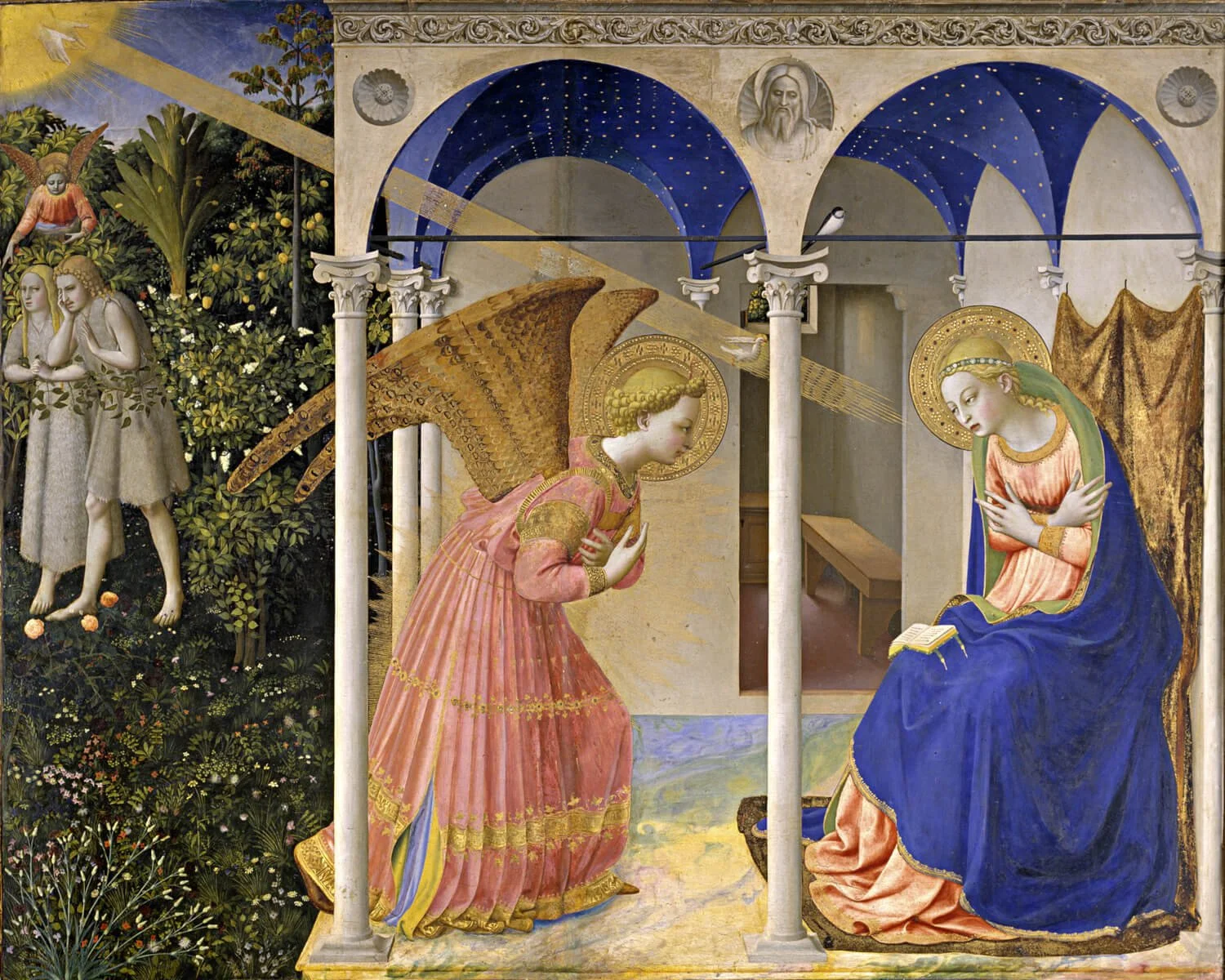
Fra Angelico, The Annunciation, c. 1430–1432. Tempera on panel. Museo del Prado, Madrid. Public domain, via Wikimedia Commons.
Some artists, however, approached it differently. Johannes Vermeer, for example, incorporated ultramarine into subtle passages of light and atmosphere rather than reserving it for focal points alone — treating the pigment as structural rather than symbolic.
Another Blue, A Different Inheritance
The story of Lapis Lazuli, though often told through European painting, begins far from those studios—in the mines of Afghanistan—and moves along trade routes shaped by distance and exchange. Here in the Northeast Louisiana Delta, we are familiar with another kind of blue.
Indigo.
There was a time when blue in this region did not come from stone, but from plant. Indigo was cultivated, harvested, and processed through a labor-intensive method that transformed leaves into dye. The knowledge required to produce it did not originate here. It was carried across the Atlantic through West African traditions, preserved and adapted under the conditions of the American South.
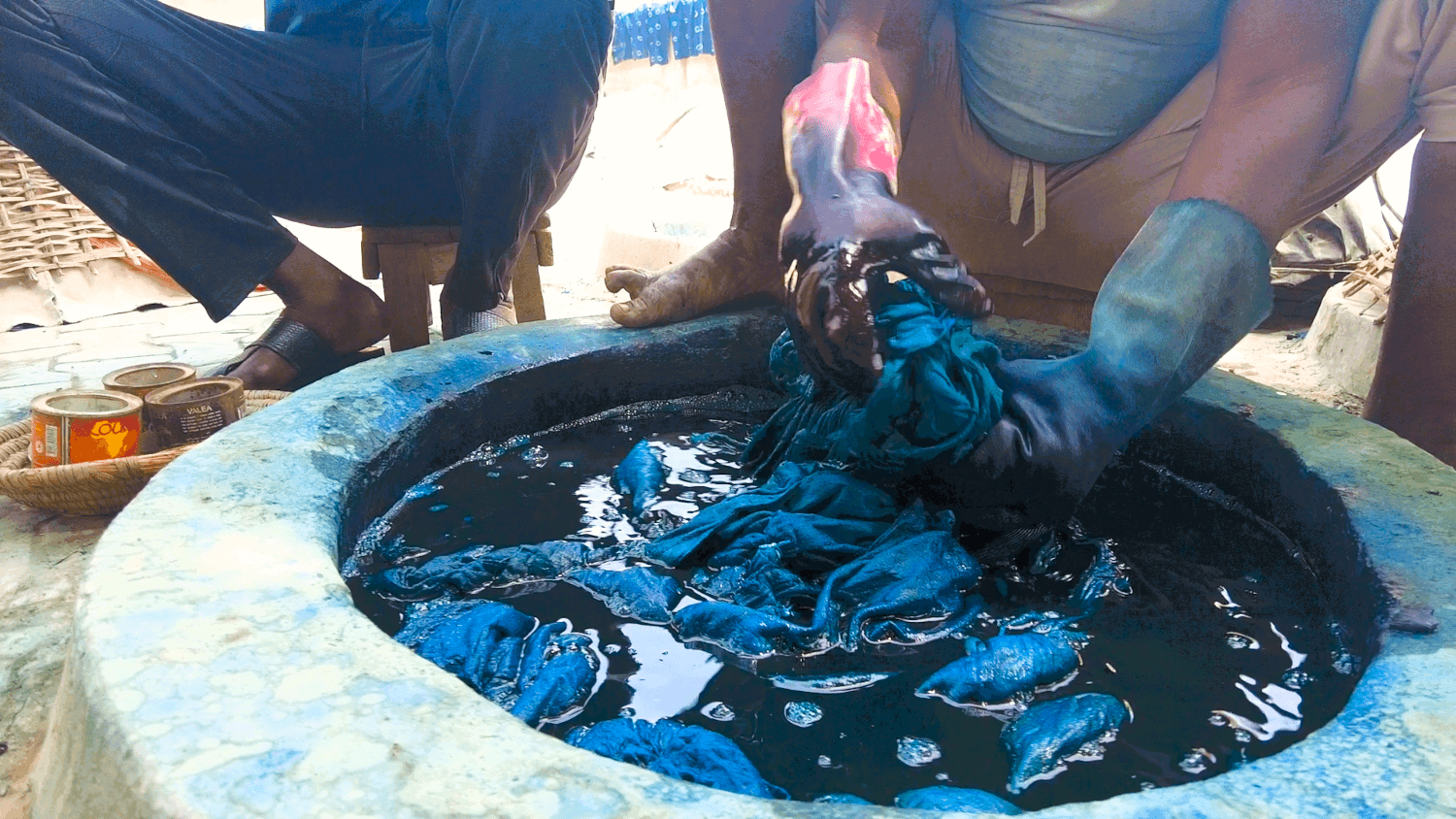
Indigo dyeing at the Kofar Mata dye pits, Kano, Nigeria. Photograph by Nkwafilms, 2023. Licensed under CC BY-SA 4.0, via Wikimedia Commons.
That process—soaking, fermenting, oxidizing—was demanding. It relied on skill, timing, and physical labor, which made indigo one of the most economically significant crops in the colonial South.
Unlike ultramarine, indigo’s value was inseparable from the systems that produced it—the land, the labor, and the people whose contributions were often unrecorded but essential.
When Blue Became Widely Available
In 1828, French chemist Jean-Baptiste Guimet developed a synthetic version of ultramarine. What had once required mining, trade, and intensive manual processing could now be produced more efficiently and at a fraction of the cost.
With that shift, access changed.
Artists were no longer limited by the rarity of materials in the same way. A color once reserved for the most significant elements of a painting became available for broader use. As access expanded, so too did the range of expression.
Why This Matters Here
At the Northeast Louisiana Delta African American Heritage Museum, materials are histories: of movement and distance, of land and labor, of who had access, who did the work, and what it meant. Lapis Lazuli and Indigo are blues that tell very different versions of that story.
Color is more than what is visible. It is also the record of the people whose hands brought it into being.