4 Black Art Events Worth Traveling For This Fall
Some of the most interesting encounters with Black contemporary art this fall aren't happening inside traditional galleries or museums.
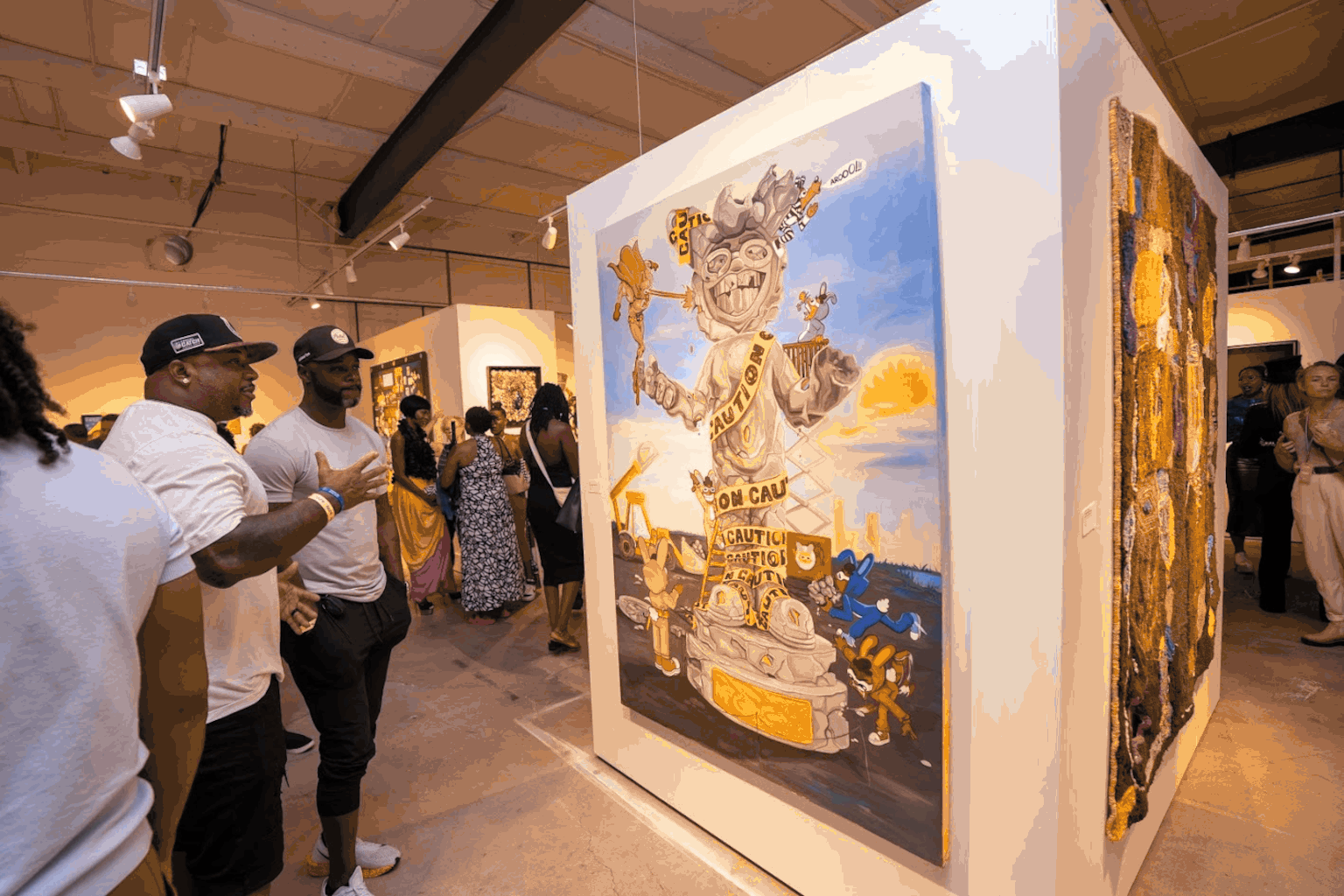
Visitors engage with contemporary art at BUTTER Fine Art Fair in Indianapolis. The Black-led, no-commission fair returns September 3–6, 2026. Photo: Cheria Caldwell / Courtesy BUTTER Fine Art Fair
Across the country, Black artists, curators, collectors, and cultural organizations are creating spaces of their own—from an innovative no-commission art fair in Indianapolis to a five-day celebration spanning the San Francisco Bay Area, and finally to Miami, where two distinct events devoted to art of the African diaspora coincide with one of the biggest weeks on the international art calendar.
If you're interested in seeing where Black contemporary art is going—and meeting some of the people helping to take it there—here are four events worth putting on your calendar.
1. BUTTER Fine Art Fair | A different idea about what an art fair can be.
Where: Indianapolis, Indiana
When: September 3–6, 2026
Venue: The Stutz
BUTTER Fine Art Fair returns to Indianapolis over Labor Day weekend for its sixth edition, bringing together more than 50 artists of the African diaspora. The Black-led fair describes itself as "America's equitable fine art fair," and there is substance behind that description. Artists pay no fee to participate, and BUTTER takes no commission from their sales. Exhibiting artists receive 100 percent of the proceeds when their work sells.
Since its launch in 2021, BUTTER reports more than $1.5 million in artwork sales and more than 65,000 attendees. This year's edition expands its footprint at the historic Stutz factory building in downtown Indianapolis and places additional emphasis on art education, including programming designed for young people and emerging artists.
That makes BUTTER interesting for reasons beyond the art on the walls. Art fairs are commercial spaces, and the economics of participating in them can be difficult for artists. BUTTER asks what happens when the fair itself is designed around the artist's economic interests.
For collectors, particularly those just beginning to buy original art, that also creates an unusually direct relationship between purchasing a work and supporting the person who made it.
2. Nexus: SF/Bay Area Black Art Week
Where: San Francisco, Oakland, and throughout the Bay Area
When: September 30–October 4, 2026
Venue: Regional (Various institutions, galleries, and artist spaces)
Nexus isn't a single art fair. It's something larger.
Organized by the Museum of the African Diaspora (MoAD), Nexus: SF/Bay Area Black Art Week brings artists, cultural institutions, galleries, creative spaces, and communities together for exhibitions, performances, conversations, open studios, and special events across the region.
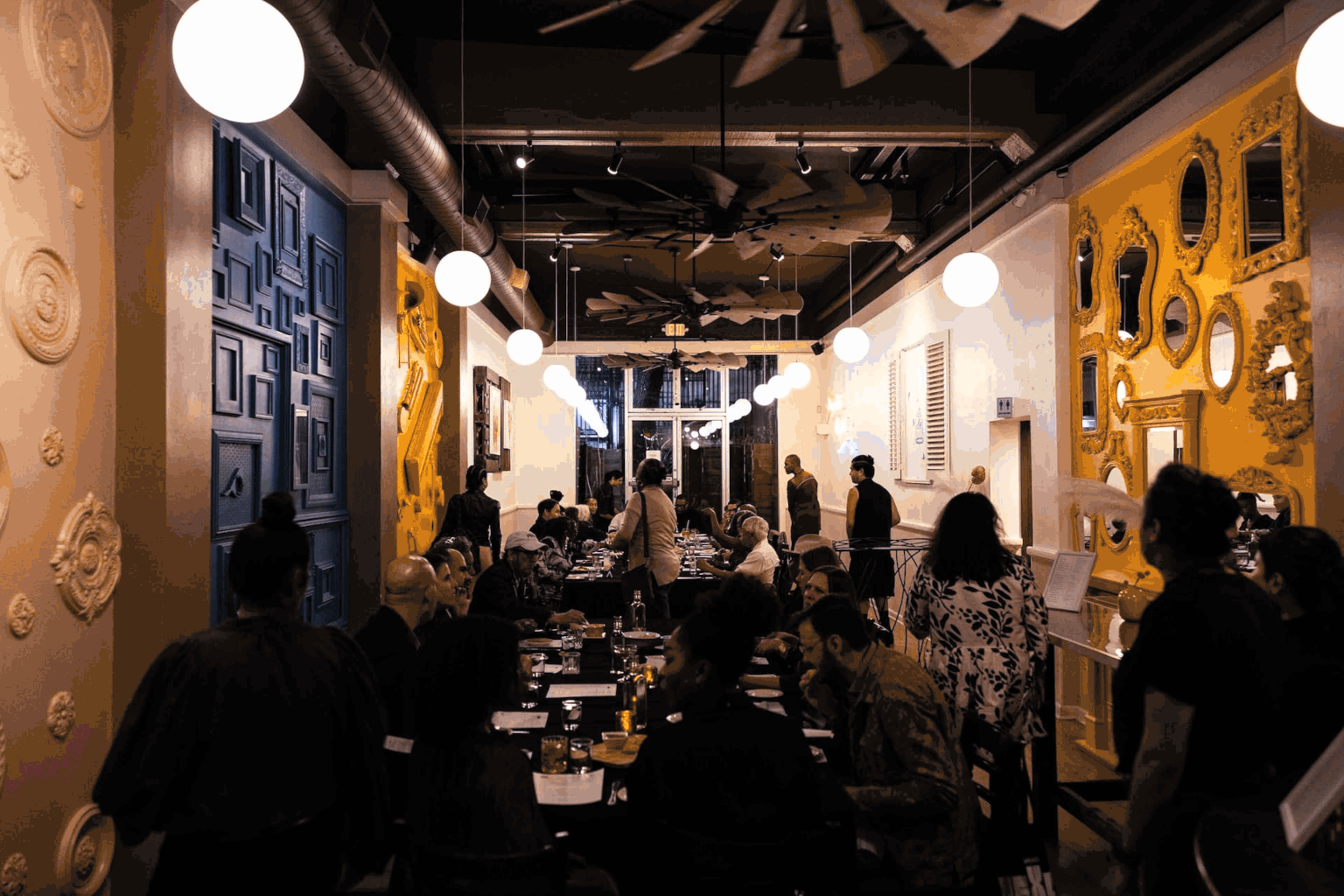
Nexus: SF/Bay Area Black Art Week brings artists, cultural organizations, and communities together through events across the Bay Area. Courtesy Nexus: SF/Bay Area Black Art Week
Now in its third edition, Nexus has grown from collaborations involving more than 58 arts organizations, galleries, and creative hubs, along with more than 70 Black artists and cultural leaders. Across its previous editions, those collaborations have produced more than 140 exhibitions, open studios, programs, events, and immersive experiences.
Instead of asking visitors to enter a single convention center or exhibition hall, Nexus encourages them to move through San Francisco, Oakland, and the greater Bay Area, encountering Black art as part of a larger cultural ecosystem.
For visitors accustomed to experiencing art one institution at a time, Nexus offers something different: the chance to encounter a community through many institutions, artists, and spaces at once.
3. AfriKin Art Fair
Where: North Miami, Florida
When: November 29–December 6, 2026
Venue: Maison AfriKin, 1600 NE 126th Street
By late November, attention in the international art world turns toward South Florida, where Art Basel Miami Beach remains one of the most famous attractions. At the same time, AfriKin Art Fair offers an opportunity to experience art through the perspectives of Africa and its global diaspora.
The 12th edition of AfriKin is organized around the theme GRIOT: Urgent Storytelling for Our Times, curated by Dr. Joseph L. Underwood. The title draws upon the West African tradition of the griot or griotte—the keeper and transmitter of histories, stories, genealogies, and collective memory.
The week-long affair begins on November 29, continuing through December 6 with workshops, screenings, conversations, fashion, and other cultural events.
For someone making a first trip to Miami Art Week, AfriKin also offers an important reminder: the week's significance extends well beyond its enormous commercial fairs. Some of its most interesting conversations happen in spaces organized around particular histories, communities, and cultural perspectives.
4. Prizm Art Fair
Where: Miami, Florida
When: December 3–5, 2026
Venue: To be announced (Miami, FL)
Prizm has become a familiar presence during Miami Art Week for its focus on contemporary art and artists from Africa and the African diaspora.
Founded in Miami, Prizm has built its identity around increasing visibility for artists and perspectives that have not always received equivalent representation within the larger international art market. Its previous editions have brought exhibitions into conversation with ideas about collecting, cultural stewardship, identity, institutions, and the broader arts ecosystem.
Its place on the Miami Art Week calendar also makes an interesting pairing with AfriKin. A visitor traveling to South Florida has an opportunity to experience different approaches to presenting contemporary art of the African diaspora while the larger international art world is gathered in the same region. Be sure to keep an eye on Prizm's official channels as December approaches for final updates on venue selection, programming, and participating artists.
Planning Your First Art-Fair Trip
If you've never traveled specifically to attend an art fair or art week, the sheer number of exhibitions and events can be intimidating. It doesn't have to be.
Plan early: Major art weeks draw visitors from around the country and world. Transportation and accommodations become expensive as dates approach, so decide which events matter most rather than trying to see everything.
Talk to artists: One of the greatest pleasures of fairs and open studios is encountering artists alongside their work. A thoughtful question about a material or process can lead to a far deeper understanding.
Pace yourself: Art fatigue is real. Looking carefully at twenty works is far more rewarding than rushing past two hundred just to check a box.
Know you don't have to be wealthy to participate: Collecting can begin modestly through prints, editions, works on paper, or smaller original pieces. Beyond purchasing, simply attending, following an artist's career, and sharing their work helps build their audience.
Look beyond the fair itself: An art event is an invitation to explore a city. Leave room in your itinerary to visit local museums, galleries, independent spaces, and historic neighborhoods while you're there.
More Than a Fair
There is another reason these events are worth watching, even if you never board a plane.
Together, they reveal an infrastructure developing around Black contemporary art. Artists need more than exhibitions. They need collectors. Collectors need opportunities to discover artists. Curators need places to encounter new work. Communities need institutions capable of preserving their histories. Young people need opportunities to see that working professionally in the arts is possible.
A fair in Indianapolis that returns every dollar of an artwork sale to the artist and a Black Art Week connecting institutions across the Bay Area may look very different from diaspora-centered programming during Miami Art Week. But they are participating in a related project: building places where Black artists can be seen, discussed, collected, supported, and remembered.