
Blog.

A Sanctuary of Art and Healing: The Northeast Louisiana Delta African-American Heritage Museum
Beautiful art doesn’t just move you—it heals you. At the Northeast Louisiana Delta African-American Heritage Museum, science and soul meet in the gallery, where every brushstroke can lower stress, lift your mood, and quiet the mind. This isn’t just a cultural experience—it’s a wellness one.
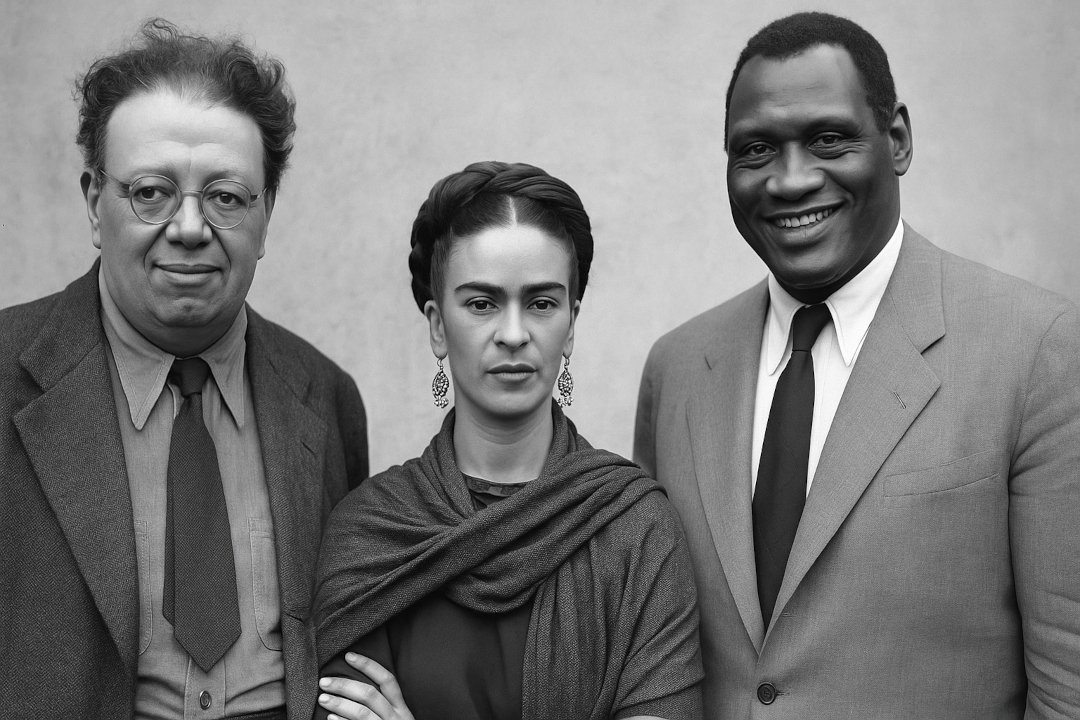
Art Across Borders: How Rivera and Kahlo Connected with Black America
Though Diego Rivera and Frida Kahlo weren’t Black, their art and politics deeply resonated with African-American artists and activists. This post explores how their solidarity crossed borders—and what it still teaches us today.
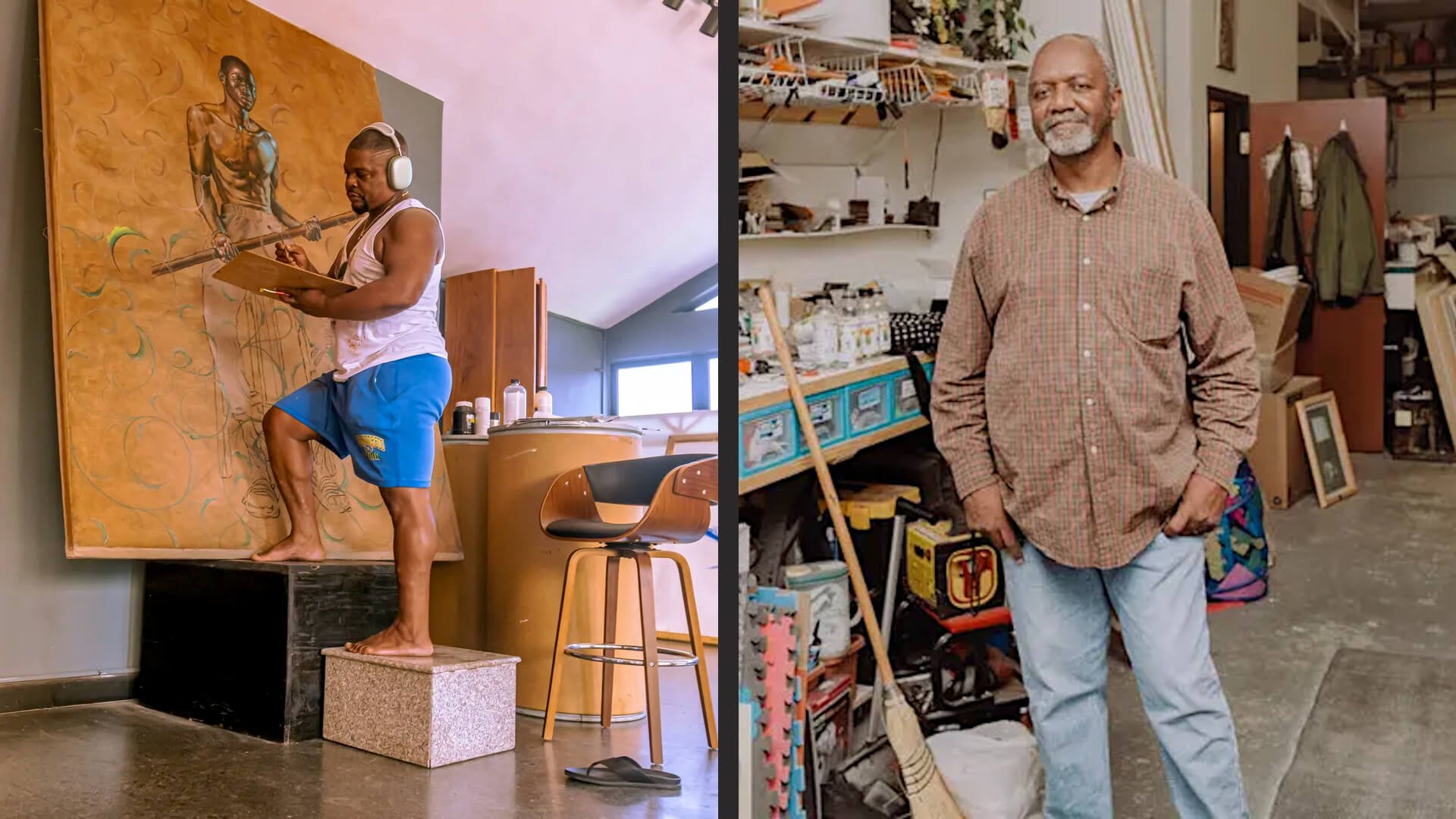
How Do Artists Like Kehinde Wiley and Kerry James Marshall Paint Such Large Pieces?
How do artists like Kehinde Wiley and Kerry James Marshall paint such massive works? What begins as a technical question unfolds into a deeper story about power, presence, and the legacy of Black visibility in art.
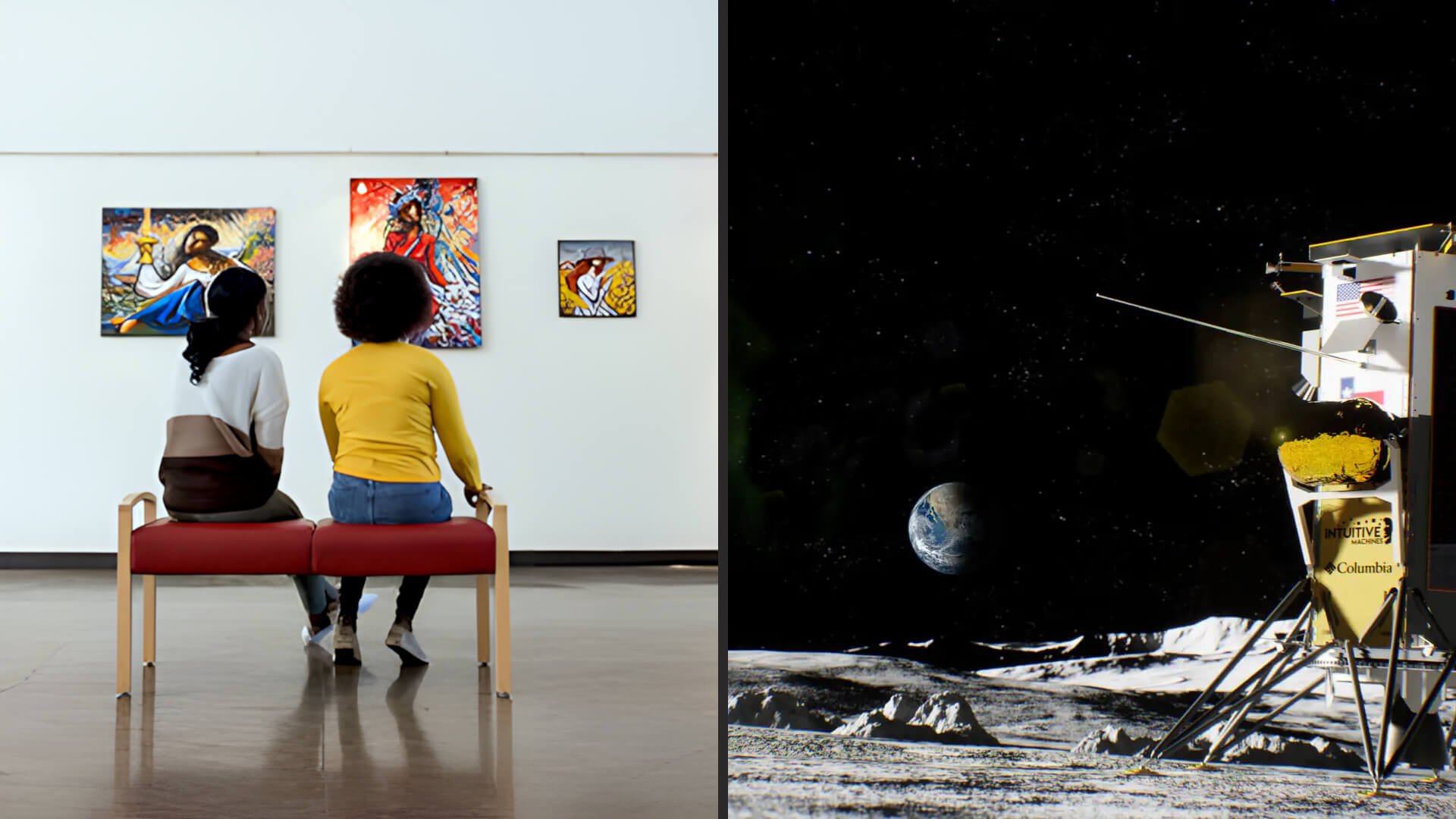
Jeff Koons, the Moon, and the Delta.
Jeff Koons sent a sculpture to the Moon—a gesture toward permanence. But in the Northeast Louisiana Delta, art lives through connection, not distance. This post reflects on what it means to create work meant to be seen, felt, and remembered in community.

Alicia Keys, Swizz Beatz, and the Transformative Power of Collecting Black Art
Alicia Keys and Swizz Beatz aren’t just music icons—they’re two of the most influential collectors of contemporary Black art. With a collection over 1,000 pieces strong and a mission to elevate Black artists across generations, they’re quietly shifting the center of gravity in the art world. This post explores what their approach means for collectors, museums, and communities like ours.

The Lost History of African American Nose Art in WWII
While WWII nose art is often remembered for its bold pin-ups of white models and mascots, the role of African American artists in this tradition remains elusive. This post explores why—and where their creativity still left a mark.

Artist Spotlight: Romare Bearden and the Politics of Assembly
He moved through the world in layers—part seen, part obscured. Romare Bearden’s collages were more than images; they were mosaics of memory, culture, and contradiction. This post traces the man who showed us that identity, like art, is never whole until it’s assembled.

Art as Armor: How African American Creativity Disarmed War
Art has never just been decoration—it’s been defense. From Jacob Lawrence’s haunting War Series to Nina Simone’s explosive protest songs, African American creativity has played a powerful role in disarming war, one brushstroke and verse at a time.

Visible but Voiceless: How Black Presence in Mid-Century Public Art Revealed—and Concealed—Power
Conrad Albrizio’s 1954 murals at New Orleans’ Union Passenger Terminal include Black figures in ways rare for the Jim Crow South—but do they truly empower the people they depict? This post explores the complex legacy of representation without agency in mid-century public art.

Why Museums Are Among the First Targets in War—And What That Means for Us
When invading armies destroy a city, they often go for more than infrastructure—they go for memory. This post explores why museums are targeted in war and why our work preserving African-American heritage in Northeast Louisiana is an act of cultural defense.

Cotton, Slavery, and the Art World: Who Really Paid for 19th-Century American Beauty?
A single Delta plantation once spent more on art than on enslaved families. This post reveals the cotton-fueled foundations of the 19th-century American art world.

Etched in Clay: The Legacy of David Drake, Potter and Poet
Enslaved in 19th-century South Carolina, David Drake—known as “Dave the Potter”—inscribed resistance and poetry onto clay. His jars still speak today.

Are Your Old Photos the Next Great Work of Art?
Your old family photos might be more than memories—they may be the next great artworks of African-American history. We explore how physical photographs are becoming cultural heirlooms worth preserving, curating, and exhibiting.

Black Art Films: Why They Matter
What makes a Black film an art film? At the Northeast Louisiana Delta African American Heritage Museum, we explore how Black filmmakers like Charles Burnett, Julie Dash, and Khalik Allah use cinema not just to tell stories—but to preserve memory, ritual, and resistance. These films challenge what art looks like, sounds like, and feels like, especially when rooted in Southern Black life.

The Unseen Hands: Black Artists Who Shaped U.S. Currency
Most people know who’s on the money—but not who designed it. Meet the Black artists whose engravings, sculptures, and corrections shaped U.S. currency.

Artist Spotlight: Loretta Pettway Bennett: Carrying the Legacy—and Spirit—of Gee’s Bend Quilting
Loretta Pettway Bennett’s quilts carry forward the bold, improvisational tradition of Gee’s Bend—a legacy stitched from memory, resilience, and artistry.

Standing Invitation: Come Draw. Come Paint. Come Observe.
Artists have long sketched in museums—from the Renaissance to right now. We're opening our doors to local creatives who want to return to this quiet, powerful tradition.

Oil or Acrylic? What Paint Reveals About Black Art, Time, and Tradition
The choice between oil and acrylic isn’t just technical—it’s historical, cultural, and deeply revealing. What do these mediums say about Black art, memory, and momentum?
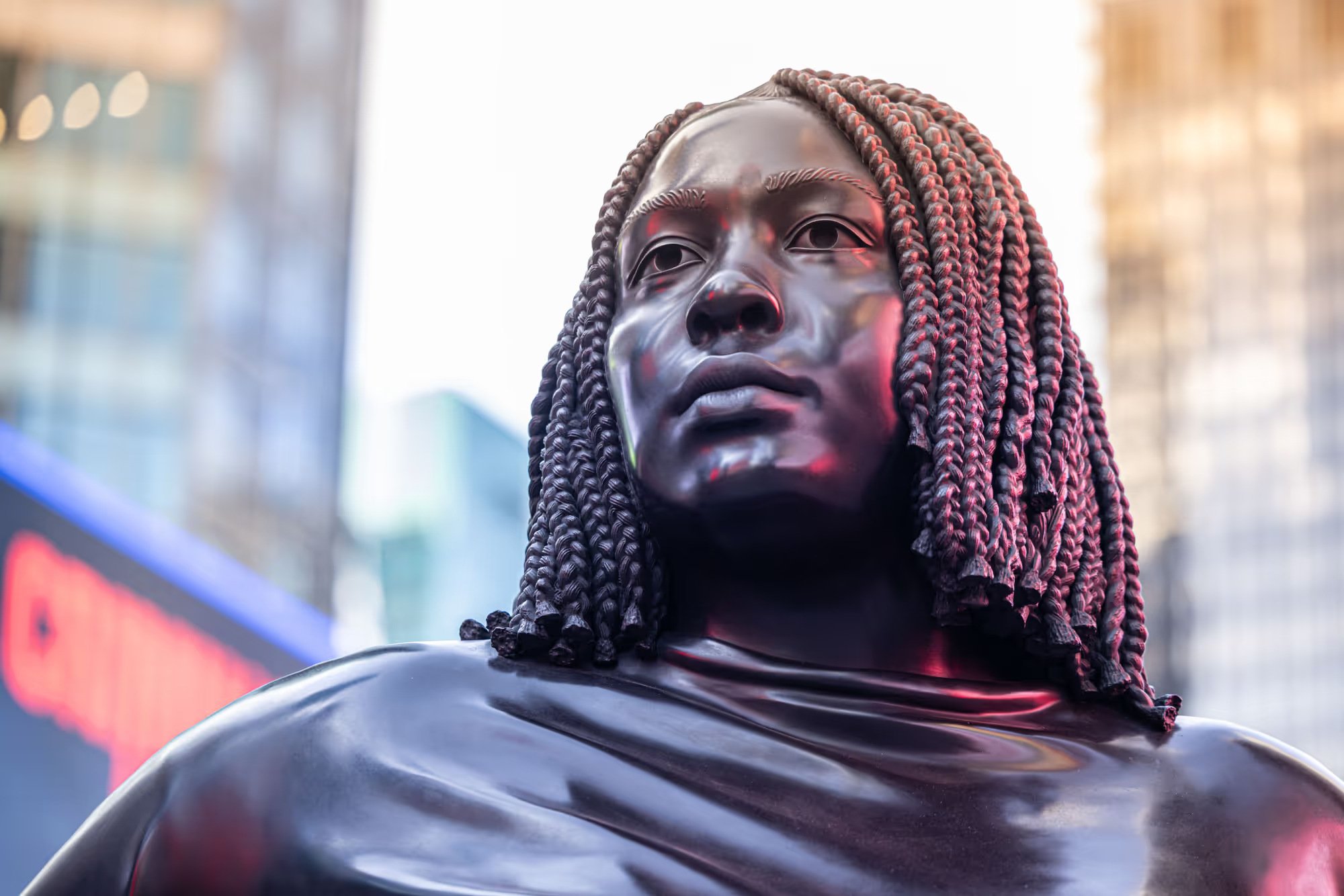
Standing Tall: Representation, Dialogue, and a 12-Foot Reminder
What does a 12-foot bronze statue of a Black woman in Times Square tell us about who gets remembered, who gets honored—and how that connects to our mission?
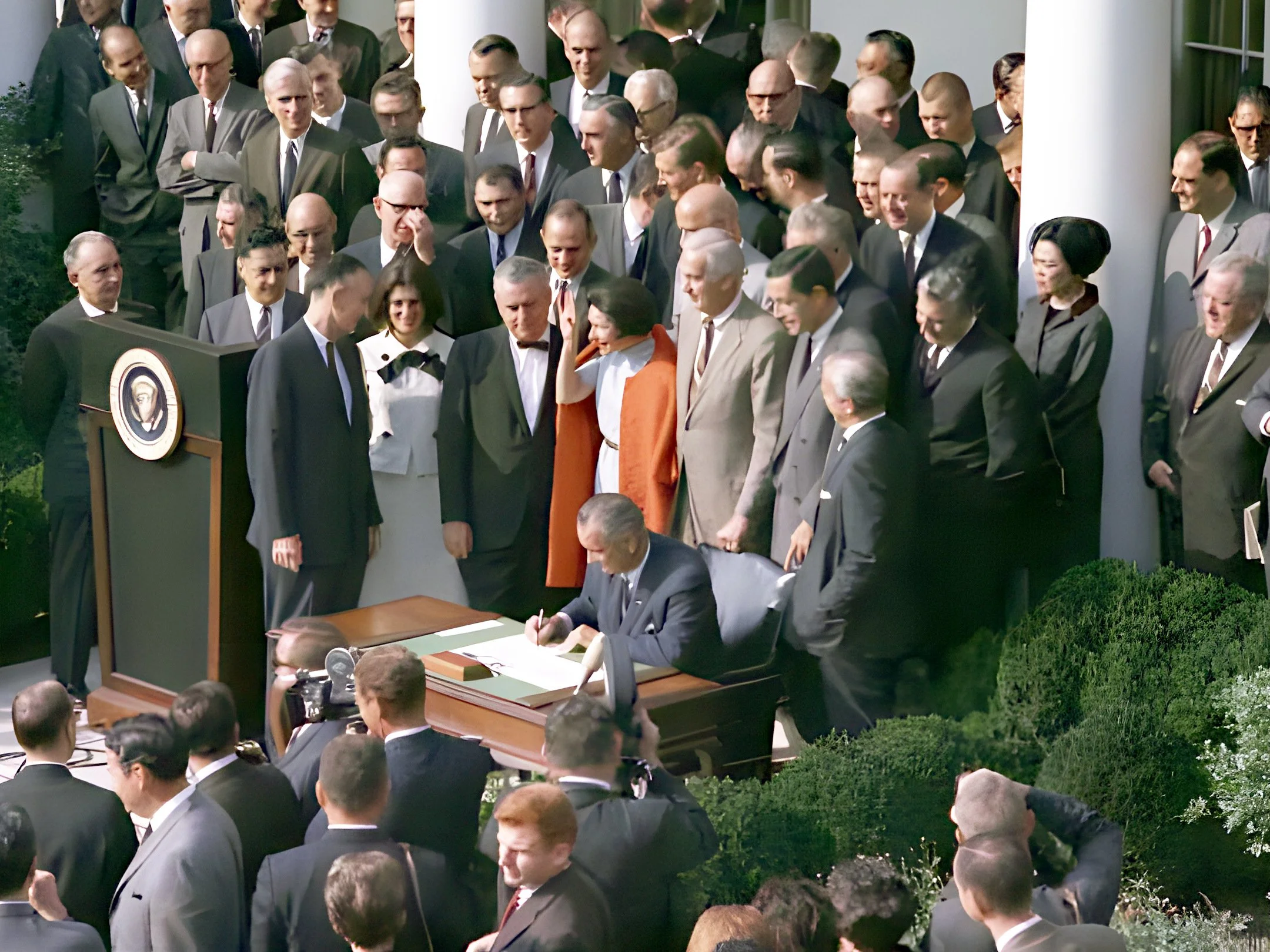
The NEA—and What We Lose Without It
In 1965, the U.S. created the NEA to make the arts accessible to all Americans. Today, that legacy is under threat—and for museums like ours, the stakes couldn’t be higher.