The Art of Displaying Art
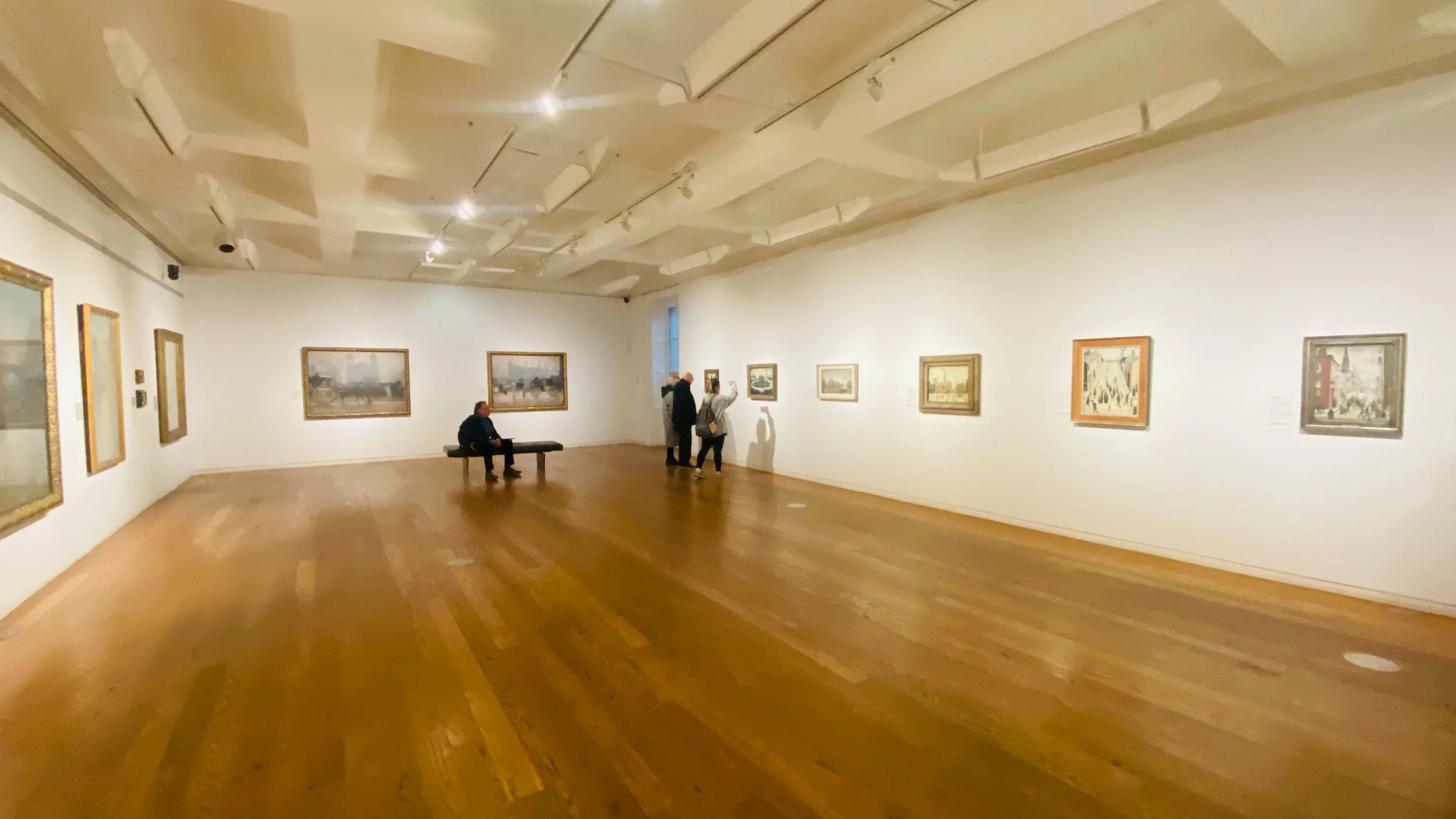
Installation view of a museum gallery demonstrating the use of spacing, sightlines, and eye-level placement in the display of framed artwork. Image Credit: Manchester Art Gallery interior photograph by Cnbrb, via Wikimedia Commons. Licensed under CC BY-SA 4.0. Minor color adjustments and cropping may have been applied.
There is a moment that occurs in nearly every museum visitor’s life, though many may not consciously recognize it. You walk into a gallery and suddenly a painting feels important.
Part of that feeling comes from the artwork itself, of course, but another part comes from the environment surrounding it. Museums understand something that collectors eventually discover for themselves: the experience of art does not end once the work is finished or acquired. In many ways, that is where the relationship with the artwork begins.
The height of a frame, the amount of space surrounding a work, the direction of the lighting, and even the materials used in framing all influence how viewers experience the art itself. These decisions can be subtle, often unnoticed, but together they shape the atmosphere of a gallery in powerful ways.
One of the most common mistakes people make when hanging artwork at home is placing it too high on the wall. Galleries and museums position artwork so that the center of the piece sits approximately 57 inches from the floor. This closely corresponds to the level of the average human eye. While this is not a rigid rule, it reflects a larger philosophy about how art should be comfortably encountered.
This is especially noticeable with portraiture and figurative work. When a portrait is hung too high, the psychological connection between subject and viewer weakens. By lowering artwork into a more natural field of vision, museums create a more direct encounter, dramatically changing the way a room feels and the way artwork is perceived within it.
The Importance of Spacing
Visitors sometimes assume that empty wall space simply means there was nothing else available to hang there, but spacing is often intentional. Works placed too closely together compete visually with one another, while carefully spaced pieces are given room to maintain their own atmosphere and presence. The wall itself becomes part of the composition.
In homes, there is often an understandable temptation to fill every available space with objects, photographs, or paintings. However, thoughtful display recognizes that visual pauses matter. Allowing a work a certain amount of breathing room slows the eye down and encourages viewers to spend more time with the piece. This sense of rhythm and restraint is one of the reasons museum galleries often feel calm even when filled with large numbers of objects.
Similarly, framing plays an important role in shaping the viewing experience. Historically, paintings were housed in elaborate gilded frames that emphasized the aesthetics of a time when art was displayed in richly decorated interiors alongside carved woodwork, velvet drapery, and ornate architecture. The frame was intended to protect the artwork, and visually announce its importance.
But as modern art emerged during the mid-20th century, many artists began rejecting the visual heaviness associated with traditional framing. Abstract expressionists and contemporary painters saw older “lip frames” as intrusive, because they physically covered part of the composition. In response, galleries and framers adopted what increasingly became known as the floater frame.
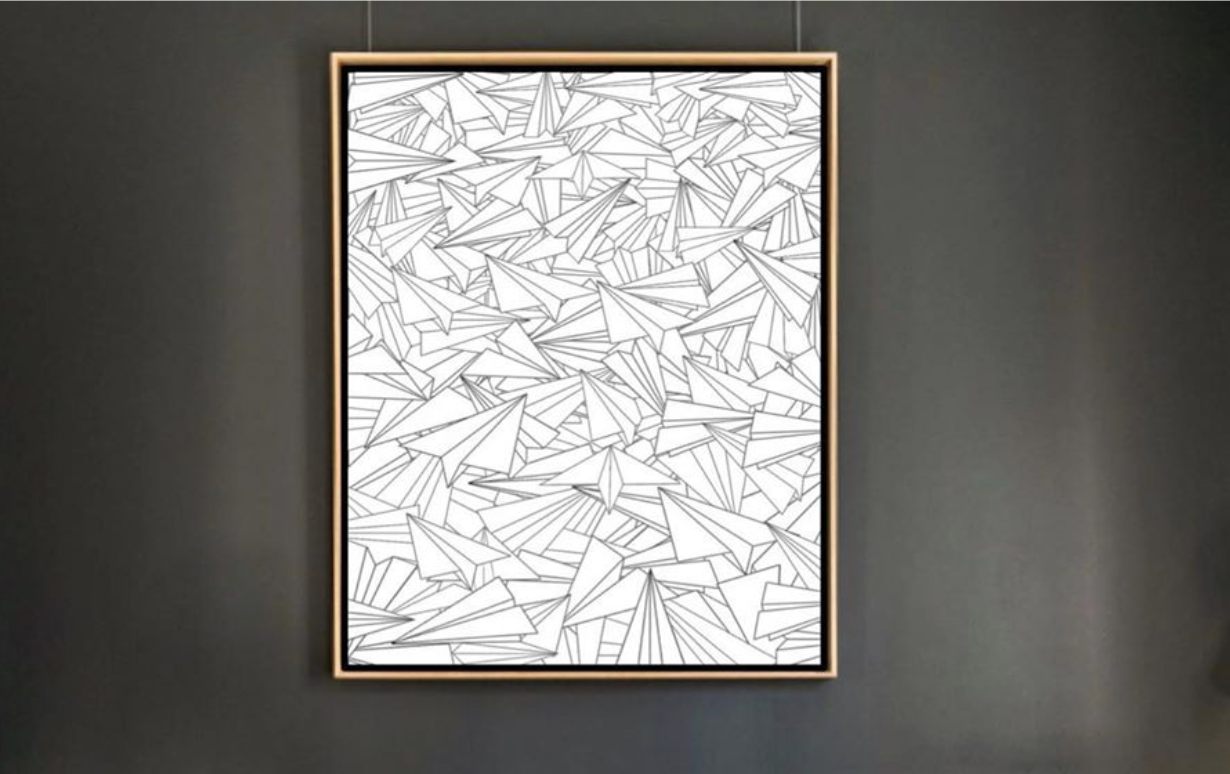
Contemporary floater framing allows the full edge and depth of the canvas to remain visible while visually separating the artwork from the wall surface. Image Credit: Parenze via Wikimedia Commons (CC BY-SA 4.0). Cropped and adjusted from original.
Unlike traditional frames that overlap the edge of the artwork, a floater frame suspends the canvas within the frame itself, creating the illusion that the artwork is floating. The design allowed viewers to see the full depth and edges of the canvas, which many contemporary artists consider part of the finished work rather than something to be concealed.
Another aspect of museum presentation that often goes unnoticed is glazing. Glazing is what most visitors casually refer to as “behind glass”. But professionals use the term glazing to describe the transparent protective material placed in front of sensitive works. In museum settings, this material is often specialized museum acrylics designed to reduce glare, filter ultraviolet light, and protect delicate surfaces from dust and environmental damage. High-end glazing materials such as Tru Vue Optium Museum Acrylic are valued because they provide exceptional clarity while minimizing reflections that would otherwise interfere with viewing the artwork. Expensive and difficult to source, they play an important role in preserving light-sensitive works for future generations.
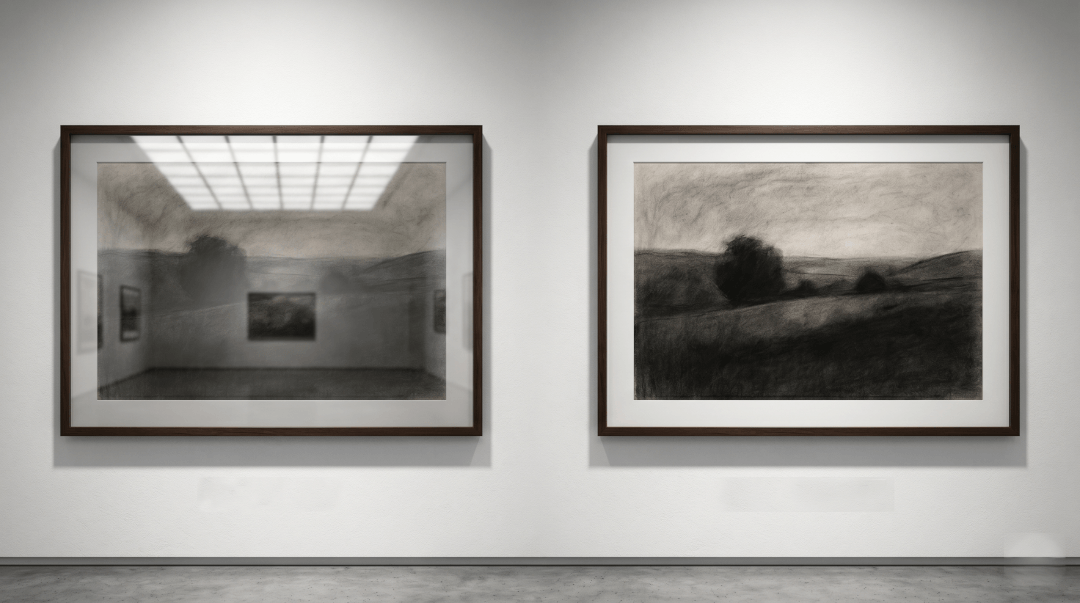
Comparison of standard reflective picture glass (left) and museum-grade anti-reflective glazing (right), demonstrating how specialized conservation materials improve artwork visibility while reducing glare and reflections. Image Credit: AI-generated comparison image created for educational purposes illustrating reflective versus museum-grade anti-reflective glazing in gallery presentation.
What makes these practices so interesting is that they reveal how much thought goes into shaping the experience of viewing art. Display is not simply about making something look attractive on a wall. It is also about preservation, interpretation, pacing, and attention. Careful consideration is given to how lighting directs the eye, how frames influence perception, and how spatial relationships affect the emotional tone of a gallery.
For collectors, this offers an important reminder that living with art extends beyond ownership alone. A thoughtfully displayed work can change the atmosphere of a room, and the relationship between the viewer and the artwork itself.
For more information on exhibitions, preservation, or educational programming, contact us.